Research
Market cycles, trading notes, and deep dives.
198 articles found

Planetary Patterns in Global Markets
Throughout history, civilizations have observed a fascinating relationship between celestial movements and human behavior. From ancient Babylonian traders to modern financial astrologers, many believe that planetary patterns influence economic cycles, investor sentiment, and global markets. While traditional finance relies on economic indicators, corporate earnings, and geopolitical developments, financial astrology explores how planetary alignments, retrogrades, and cosmic cycles correlate with market movements. The concept of planetary patterns in global markets has gained increasing attention among investors, traders, and researchers who seek alternative ways to analyze market trends. Advocates argue that planetary cycles often mirror collective psychology, which in turn drives buying and selling behavior. Because financial markets ultimately reflect human emotions such as fear, greed, optimism, and uncertainty, some analysts believe that celestial rhythms may offer valuable insights into market cycles. In recent decades, interest in financial astrology has grown as investors search for tools that help them anticipate volatility and long-term trends. By studying planetary patterns and historical correlations with major financial events, analysts attempt to understand how cosmic influences might coincide with economic shifts. While not a replacement for traditional analysis, financial astrology offers an additional lens through which to examine the dynamics of global markets.
Read more
Asset Retirement Obligations: Accounting for the True Cost of Long-Lived Assets
An asset retirement obligation, often shortened to ARO, represents a company’s legal or constructive duty to dismantle, remove, or restore a long-lived asset at the end of its useful life. These obligations commonly arise in industries where assets physically alter the environment or require formal decommissioning, such as energy, mining, utilities, chemicals, and infrastructure. Examples include plugging oil and gas wells, dismantling power plants, removing offshore platforms, or restoring land after mining operations. The importance of asset retirement obligations lies in the fact that the economic cost of using an asset does not end when it stops generating revenue. The obligation to clean up, dismantle, or restore can be significant and often occurs many years in the future. Recognising AROs ensures that financial statements reflect the full lifecycle cost of operating long-term assets rather than presenting an artificially optimistic picture of profitability and asset value.
Read more
Asset Management: How Capital Is Allocated, Grown, and Protected Over Time
Asset management is the professional practice of managing investments on behalf of individuals, institutions, or organisations with the goal of growing capital, generating income, or preserving wealth over time. At its core, asset management exists to solve a coordination problem. Most investors do not have the time, expertise, or tools to continuously analyse markets, evaluate securities, manage risk, and adjust portfolios as conditions change. Asset managers step into that role by designing investment strategies, selecting assets, monitoring performance, and making decisions within a defined mandate. These mandates can range from conservative capital preservation to aggressive growth, and they are shaped by factors such as time horizon, risk tolerance, liquidity needs, and regulatory constraints. Asset management is not just about picking stocks or bonds. It is about building a coherent system that aligns objectives, constraints, and market realities, then executing that system consistently across cycles.
Read more
Asset Classes: The Building Blocks of Portfolios and How They Shape Risk and Return
Asset classes are broad categories of investments that tend to behave similarly in terms of risk, return, and response to economic conditions. Investors group assets into classes because it helps them build diversified portfolios rather than relying on a single type of exposure. The underlying idea is that different assets react differently to changes in interest rates, inflation, growth, policy, and market sentiment. When one category performs poorly, another may hold up better, reducing overall volatility and improving the stability of long-term outcomes. Asset classes also help investors compare opportunities. A 7% expected return from equities is not the same as a 7% yield from a high-risk bond, because the sources of return and downside scenarios differ. By thinking in asset classes, investors can allocate capital based on goals such as growth, income, capital preservation, or inflation protection, and can adjust risk exposure consciously instead of accidentally.
Read more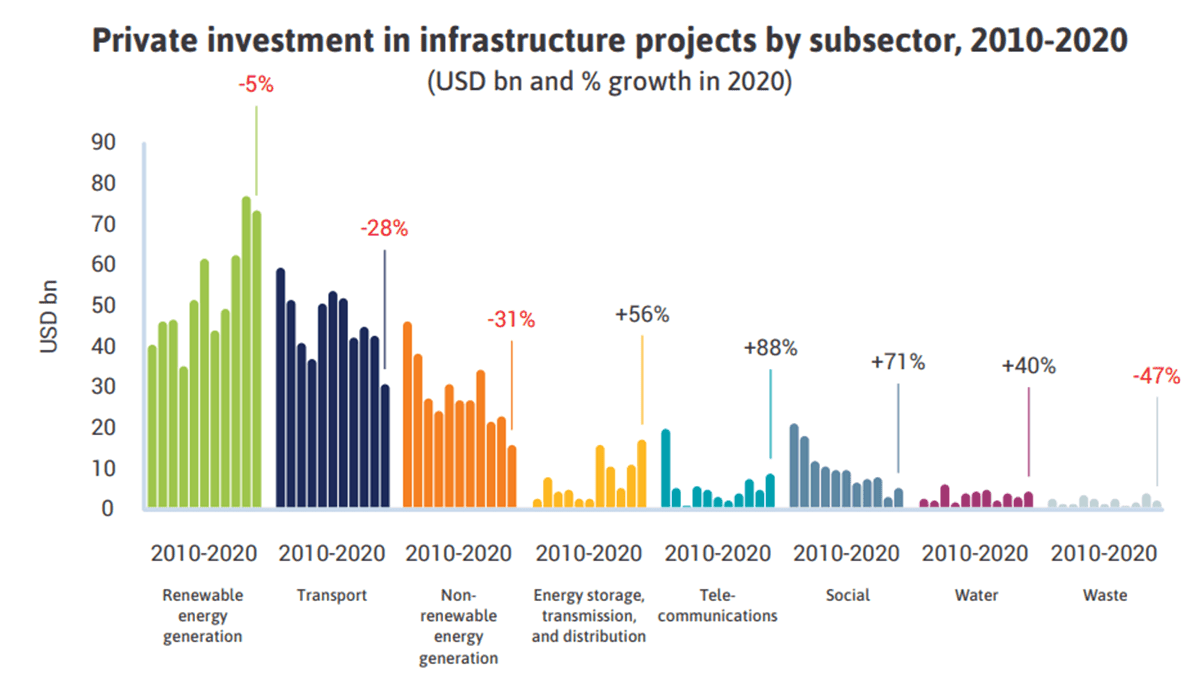
Capital Recycling: Capital Recycling in Infrastructure and Real Asset Investing
Capital recycling is a strategic approach used by infrastructure funds, sovereign wealth funds, pension funds, and real asset investors to optimise the use of long-term capital. Instead of holding mature assets indefinitely, investors periodically divest stabilised or fully operational assets and redeploy the released capital into new projects. This process allows investors to balance risk, liquidity, and growth while maintaining exposure to essential infrastructure such as roads, airports, power plants, renewable energy assets, and utilities. In capital-intensive sectors where projects have long lifecycles and predictable cash flows, capital recycling helps ensure that capital does not remain locked in low-growth phases longer than necessary. From a broader financial perspective, capital recycling supports economic development by continuously funding new infrastructure without excessive reliance on public debt or fresh equity issuance. Governments and private investors increasingly rely on this mechanism to bridge infrastructure funding gaps. By transferring mature assets to long-term yield-focused investors, such as insurance companies or pension funds, development-focused investors can concentrate on early-stage construction and expansion projects. This creates a virtuous cycle where capital flows efficiently from completed assets to new opportunities, improving overall capital productivity.
Read more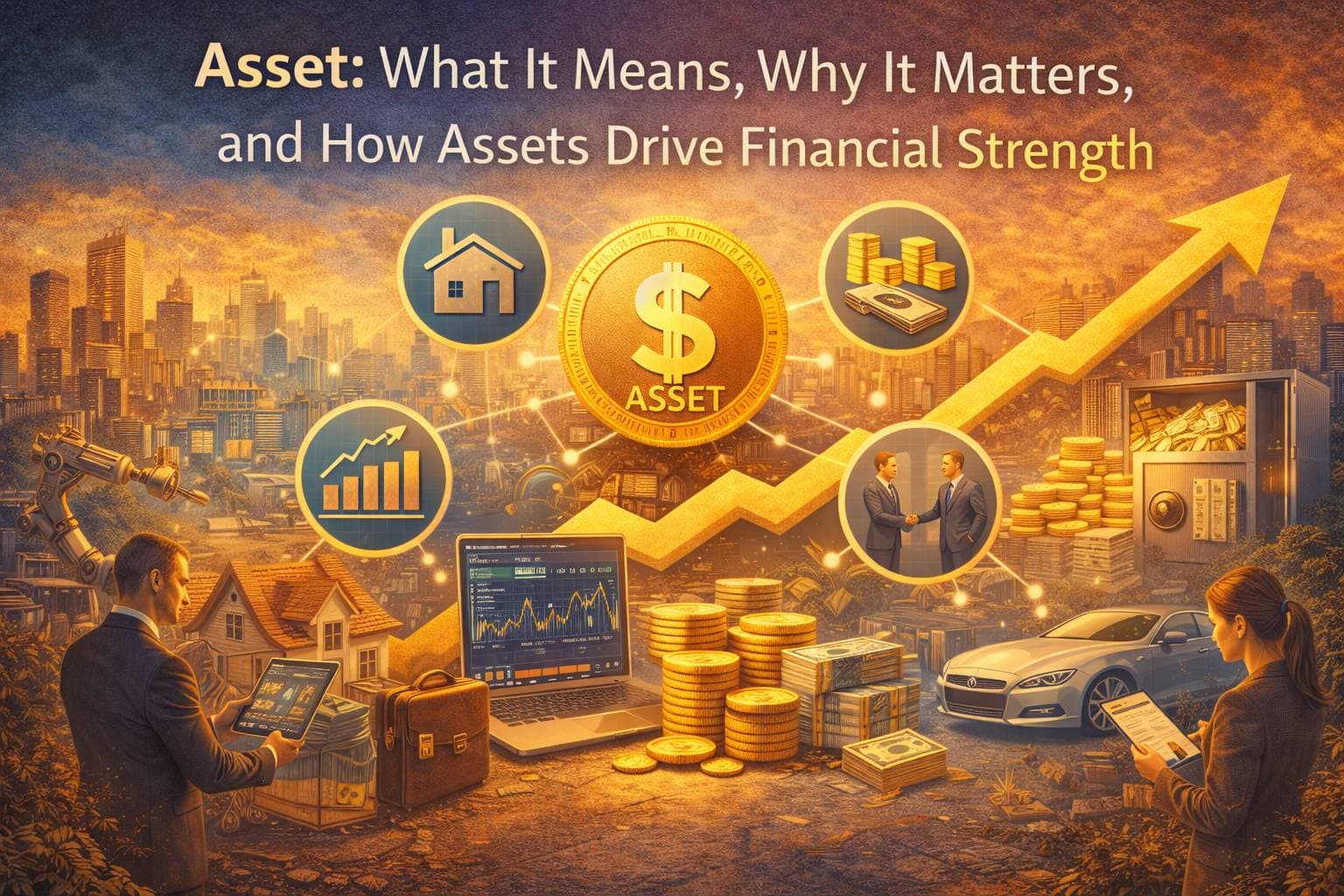
Asset: What It Means, Why It Matters, and How Assets Drive Financial Strength
An asset is any resource owned or controlled by an individual, business, or institution that is expected to provide economic value in the future. In finance and accounting, this value may come from generating income, supporting operations, appreciating over time, or reducing costs. Assets can be tangible, such as cash, property, machinery, and inventory, or intangible, such as patents, trademarks, software, and brand value. What makes something an asset is not its physical form, but its ability to deliver future benefit that can be reasonably measured or expected. For individuals, assets often represent savings, investments, or property that support long-term financial security. For businesses, assets are the building blocks that allow operations to function, products to be produced, and services to be delivered. In accounting terms, assets appear on the balance sheet and are typically listed in order of liquidity, reflecting how easily they can be converted into cash. Understanding what qualifies as an asset is fundamental because it shapes how wealth, solvency, and financial health are evaluated.
Read more
Capitalism: Capitalism as an Economic System and Its Financial Foundations
Capitalism is an economic system built on private ownership, voluntary exchange, and the pursuit of profit as a central driver of economic activity. At its core, capitalism assumes that individuals and businesses, when free to make economic decisions, allocate resources more efficiently than centralized authorities. Prices emerge through supply and demand, acting as signals that guide production, consumption, and investment decisions across the economy. This decentralised decision-making framework has historically encouraged innovation, productivity growth, and rising living standards in many parts of the world. Over time, capitalism has evolved rather than remained static. Early forms were closely tied to trade and merchant activity, while modern capitalism integrates complex financial markets, multinational corporations, and global supply chains. Despite criticisms related to inequality and market volatility, capitalism remains the dominant economic system globally because of its adaptability. Financial incentives, competition, and capital accumulation continue to shape how economies grow, restructure, and respond to technological change and consumer needs.
Read more
Artificial Intelligence: How Machines Learn, Where It’s Used, and What It Means for Business and Society
Artificial intelligence, or AI, is a broad field of computer science focused on building systems that can perform tasks that normally require human intelligence. These tasks include recognising patterns, understanding language, making predictions, planning actions, and improving performance through experience. The key idea is not that a machine “thinks” like a person, but that it can process information and produce useful outputs in ways that feel intelligent because they solve real problems. AI systems typically rely on data, algorithms, and computing power. Data provides examples of the world, algorithms determine how the system learns from those examples, and computing power enables the system to train and run at scale. Modern AI is largely driven by machine learning, where the system learns patterns from data rather than being programmed with rigid rules for every scenario. For example, instead of manually writing rules to identify a fraudulent transaction, a machine learning model can be trained on historical transaction data that includes known fraud and non-fraud cases. Over time, it learns the signals that correlate with fraud and produces a probability score for new transactions. Deep learning, a subset of machine learning, uses multi-layer neural networks and has become especially effective for tasks like image recognition, speech-to-text, and language generation. These models learn complex patterns by processing large volumes of training data and adjusting internal parameters to reduce prediction errors. It is also important to understand that AI is not one technology. It includes approaches such as supervised learning, where models learn from labelled examples, and unsupervised learning, where models find structure in data without explicit labels. There is reinforcement learning, where systems learn through trial and error with rewards and penalties, and there are rule-based systems that still matter in domains where precision and explainability are critical. The real-world use of AI is usually a combination of these methods, layered with software engineering, data pipelines, and safeguards. When people talk about AI capabilities, they are often describing the performance of a model within a defined scope. An AI that excels at predicting demand may fail completely at handling a legal contract, and a chatbot that writes well may still hallucinate facts. That is why the practical definition of AI is best tied to outcomes: AI is a set of tools that can automate or augment tasks when supplied with the right data, design, and oversight.
Read more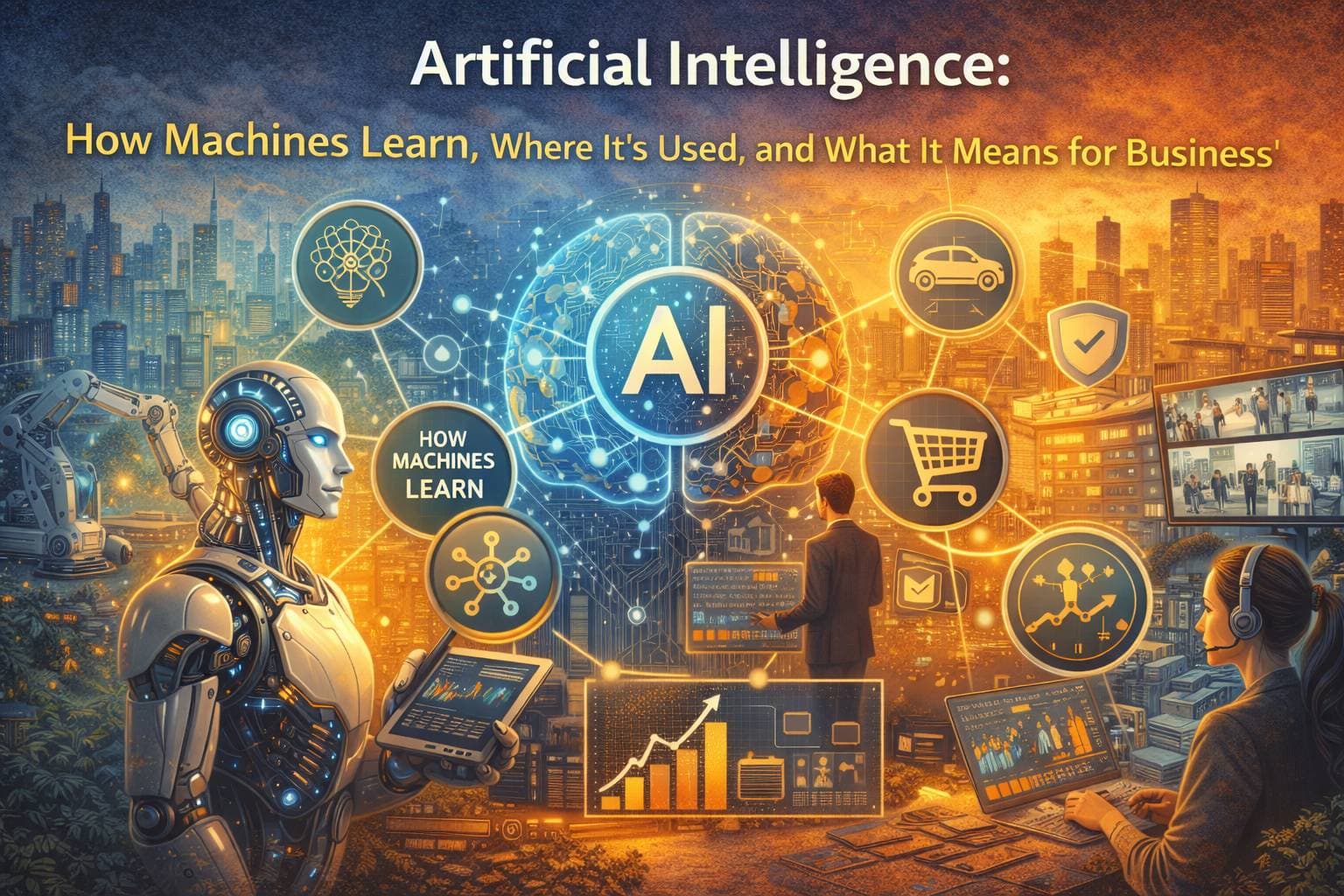
Arweave: Permanent Data Storage, the Permaweb, and Why “Pay Once, Store Forever” Matters
Arweave is a decentralised storage network designed for long-term, permanent data archiving. The core idea is simple: instead of paying ongoing monthly fees to keep data online, users pay an upfront cost to store data for a very long time, with the system structured to incentivise storage providers to keep that data available. This model targets a real pain point in the internet economy: important digital information is surprisingly fragile. Websites disappear, links rot, and cloud accounts can be removed or suspended. Arweave positions itself as infrastructure for “permanent” publishing, where content can remain accessible independent of a single company, server, or subscription. That makes it appealing for use cases like public records, research datasets, historical archives, media, and web applications that want stronger durability than traditional hosting can guarantee.
Read more