Research
Market cycles, trading notes, and deep dives.
198 articles found
Building a Financial Astrology Terminal Dashboard for Market Timing
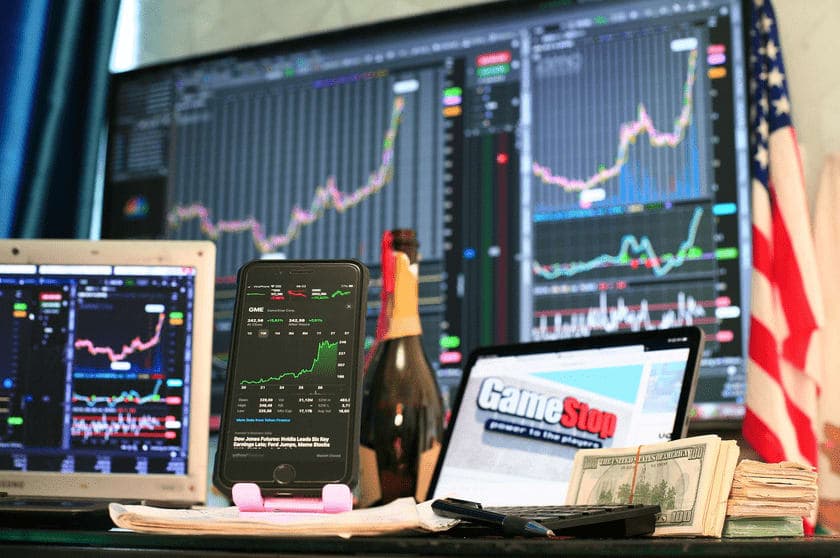
Financial markets move through repeating cycles driven by economic forces, investor psychology, geopolitical events, and liquidity flows. Traders and analysts constantly search for tools that can help them identify these cycles and improve their market timing strategies. While traditional trading platforms rely on price charts, indicators, and macroeconomic data, a growing number of analysts are exploring astrology-based analytical systems to understand deeper market rhythms. A financial astrology terminal is a specialized analytical environment that combines astronomical data with financial market charts. These platforms allow traders to observe planetary cycles alongside global market indices, commodities, and currencies. By integrating celestial timing models with financial data, traders attempt to identify time windows where markets may experience increased volatility, trend reversals, or strong directional momentum. The effectiveness of astrology-based market analysis largely depends on how well the data is organized and presented. A well-designed astrology trading dashboard provides traders with clear insights into planetary cycles, market indicators, and potential trading signals. Such a dashboard acts as a central control panel where traders can monitor cosmic cycles and market activity simultaneously. This article explains how to structure a powerful financial astrology platform, focusing on essential components such as planetary cycle calendars, market volatility indicators, astrological price cycle mapping, and actionable trading signals.
Read more
Financial Astrology Terminal: Using Planetary Transits to Forecast Market Trends
Financial markets operate within cycles of expansion, contraction, optimism, and fear. Traders and investors traditionally rely on economic indicators, technical analysis, and market sentiment data to forecast trends. However, another fascinating analytical approach studies the relationship between celestial movements and financial market behavior. This field is known as financial astrology. A financial astrology terminal is a specialized analytical platform that combines astronomical data with financial charts. It allows traders to observe planetary movements alongside stock indices, commodities, and currency markets. By studying how planetary cycles align with historical market behavior, analysts attempt to identify timing windows where markets may experience volatility, trend reversals, or strong directional movement. One of the most widely used techniques in financial astrology is planetary transits market analysis. Planetary transits refer to the current positions and movements of planets as they travel through the zodiac and form alignments with each other. Many financial astrologers believe these alignments may correspond with shifts in investor psychology and market sentiment. This article explores how traders use planetary transits through a financial astrology terminal to generate astrology trading signals, focusing on how specific planetary cycles may influence market trends.
Read more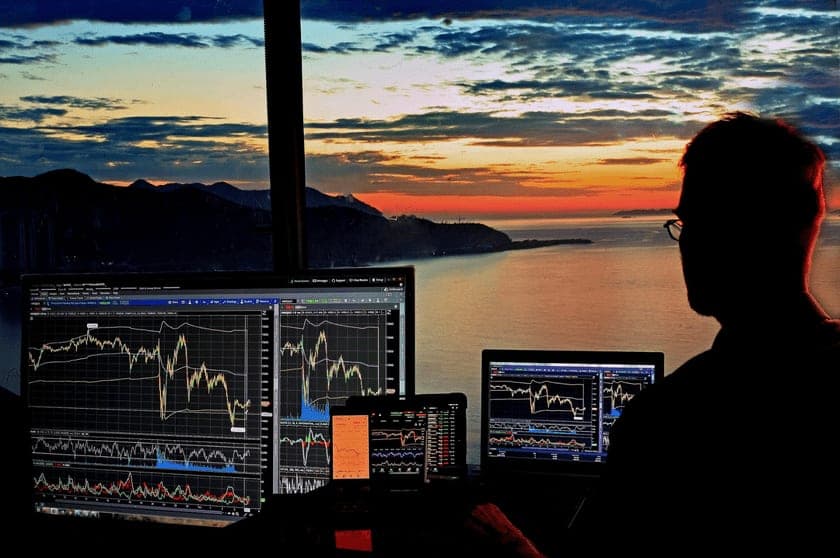
How to Use a Financial Astrology Terminal for SPX500 and Global Market Analysis
Financial markets move through cycles influenced by economic policies, investor sentiment, geopolitical events, and global liquidity. While traditional analysis methods rely on technical indicators, macroeconomic trends, and financial data, some traders explore additional frameworks to understand deeper market timing cycles. One such approach is financial astrology. A financial astrology terminal is a specialized platform that combines planetary data with financial market charts. These systems allow traders to observe planetary movements alongside global financial indices such as the SPX500. By studying correlations between planetary cycles and historical market behavior, traders attempt to identify timing windows where markets may experience volatility, trend reversals, or strong momentum. Financial astrology does not aim to replace traditional analysis. Instead, it provides an additional perspective focused on timing. When combined with technical analysis and macroeconomic insights, it can help traders analyze market cycles more holistically. This article explains how financial astrology terminals can be used for SPX500 astrology analysis, how planetary cycles may influence global stock markets, and how traders apply planetary market timing strategies in daily trading.
Read more
Financial Astrology Terminal vs Traditional Trading Platforms: Key Differences
Modern financial markets rely heavily on data, technology, and advanced analytical tools. Traders today have access to powerful trading platforms that provide real-time charts, technical indicators, economic data, and algorithmic trading capabilities. These systems, often referred to as traditional trading terminals, form the backbone of modern trading and investment strategies. However, alongside traditional tools, another analytical approach has been gaining attention among alternative market analysts: financial astrology. Financial astrology studies the relationship between planetary cycles and financial market behavior. With the help of advanced digital platforms known as financial astrology terminals, traders can analyze celestial movements alongside market data to identify potential timing patterns. A financial astrology terminal is designed specifically to study planetary cycles, astrological events, and their possible correlation with financial markets. Unlike traditional trading platforms that focus purely on price action and economic data, astrology trading tools attempt to analyze the broader timing cycles that may influence investor psychology and market behavior. The debate between astrology vs technical analysis continues among traders. While some consider astrology purely speculative, others believe that planetary cycles may offer insights into long-term market timing. Many experienced traders now explore the possibility of combining both approaches to gain a broader understanding of market trends. This article explores the key differences between financial astrology terminals and traditional trading platforms, examines how astrology-based analysis works, and explains how combining both methods may offer unique advantages for traders.
Read more
How a Financial Astrology Terminal Helps Predict Stock Market Cycles
Financial markets move in cycles. Traders and investors constantly try to understand why markets rise, fall, and repeat patterns over time. Traditional analysis methods such as technical indicators, economic data, and corporate earnings explain part of the story. However, many analysts believe that deeper timing cycles also influence market behavior. One unconventional but increasingly discussed approach is financial astrology. A financial astrology terminal is a specialized analytical platform that combines astronomical data with financial market charts. These systems allow traders to study how planetary movements might correlate with stock market cycles. By analyzing historical planetary alignments and comparing them with past market events, traders attempt to identify potential timing windows for market reversals, expansions, or periods of volatility. Modern stock market astrology software integrates planetary cycles, trading charts, and cycle forecasting tools into a unified dashboard. Traders can visualize planetary transits alongside price movements, making it easier to study relationships between celestial cycles and financial markets. The concept may appear unconventional to some investors, yet financial astrology has been studied and used by market analysts for decades. Many traders believe that planetary movements influence collective psychology, and since markets are driven by human behavior, these psychological shifts may create repeating market patterns. Through advanced financial astrology terminals, traders attempt to understand these patterns and use them to improve market timing decisions. This article explores how planetary cycles may influence financial markets, how historical market cycles relate to astrological patterns, and how traders use financial astrology terminals to analyse and predict potential market trends.
Read more
Best Financial Astrology Terminal Tools for Market Timing and Trading Analysis
Many traders rely on technical indicators such as moving averages, support and resistance levels, and momentum indicators. However, markets are influenced not only by data but also by human psychology. Financial astrology attempts to study the timing of psychological shifts in markets. One reason traders use astrology trading software is to analyse long-term market cycles. Certain planetary alignments occur in predictable intervals, allowing traders to study historical market patterns that may repeat over time. By identifying these cycles, traders attempt to anticipate periods of increased volatility or major trend changes. Planetary movements of bodies such as Jupiter, Saturn, and Mercury are often studied in financial astrology. These celestial bodies are believed to influence expansion, restriction, and communication respectively, which may correlate with economic cycles and market sentiment. Another reason traders explore financial astrology software is the concept of market timing. Many investors struggle with deciding when to enter or exit trades. Astrology-based timing tools help traders identify potential turning points based on planetary transits or alignments. Astrology trading platforms also encourage a disciplined trading approach. Instead of reacting emotionally to market news, traders follow predefined cycles and timing frameworks. This systematic approach can help reduce impulsive trading decisions. Although astrology should not replace traditional analysis, many traders use it as an additional perspective. By combining technical analysis with planetary cycle analysis, traders can develop a more comprehensive understanding of market behaviour.
Read more
What Is a Financial Astrology Terminal? A Complete Guide for Traders and Investors
Financial markets have always fascinated analysts, economists, and traders who attempt to predict price movements using different tools and methodologies. While traditional approaches such as technical analysis and fundamental analysis dominate modern trading strategies, another unique field has steadily gained attention among investors: financial astrology. This discipline studies the relationship between planetary cycles and market behavior, aiming to identify patterns that may influence investor psychology and market timing. Over the years, the combination of astrology with digital trading technology has given rise to a new concept known as the financial astrology terminal. A financial astrology terminal is a specialized digital platform that integrates astrological calculations, planetary cycle analysis, and financial market data into a single analytical interface. Traders and investors use this type of system to track planetary movements, interpret astrological indicators, and apply them to financial markets such as stocks, commodities, currencies, and indices like the S&P 500 Index. By combining astrology-based insights with market data, traders aim to gain a deeper understanding of potential turning points and timing opportunities. The growing popularity of astrology trading software reflects a broader shift in the financial world toward alternative analytical tools. Traders are constantly searching for methods that can provide an edge in increasingly complex markets. While financial astrology may seem unconventional to some observers, its history stretches back centuries, and many well-known market analysts have explored its potential applications. Today, advanced astrology market analysis tools allow traders to visualize planetary cycles, monitor astrological transits, and integrate these signals into trading strategies. This comprehensive guide explains what a financial astrology terminal is, how it works, the key features of astrology trading platforms, and how traders use planetary cycles to analyze financial markets. Whether you are a beginner exploring new analytical methods or an experienced trader interested in alternative market insights, understanding the role of financial astrology technology can provide a fascinating perspective on market behavior.
Read more
Gann Astrology Software Free Download: Complete Guide to Gann Trading and Astro-Financial Tools
Financial astrology has fascinated traders for more than a century, particularly through the work of legendary trader and analyst William Delbert Gann. Known for his unique approach to market forecasting, Gann believed that time cycles, planetary movements, geometry, and mathematics played a crucial role in determining financial market behavior. His theories inspired a wide range of analytical tools and software designed to apply astrological principles to trading and investment decisions. Today, modern traders can explore these techniques through Gann astrology software, which combines astronomical calculations with financial market data. These platforms allow analysts to study planetary cycles, ephemeris charts, and geometric market patterns to identify potential market turning points. While many professional tools require paid licenses, several platforms provide free downloads, trial versions, or open-source tools that help traders experiment with Gann astrology techniques. Understanding these tools is essential for anyone interested in the relationship between planetary cycles and financial markets.
Read more
Best Financial Astrology Terminal and Financial Astrology Apps
Financial astrology has evolved dramatically in the digital age. What once required manual ephemeris calculations, handwritten charts, and deep astronomical knowledge can now be performed instantly using specialized software, trading terminals, and mobile apps. Modern platforms combine planetary data, historical market prices, AI analysis, and visualization tools to help traders study correlations between celestial movements and financial market behavior. The demand for a financial astrology terminal or financial astrology app has grown among traders, astrologers, and researchers who believe planetary cycles influence market psychology and economic turning points. These platforms aim to transform traditional astrological insights into structured, testable, and data-driven analysis tools. By combining astrology with modern trading technology, they enable investors to explore planetary cycles, retrogrades, planetary aspects, and cosmic timing in relation to stock markets, commodities, and currencies. A financial astrology terminal is essentially a specialized research environment where planetary positions are mapped alongside financial charts. These systems allow traders to observe how planetary alignments correspond with market highs, lows, and volatility. As a result, users can explore historical correlations, forecast potential turning points, and develop trading strategies based on cosmic cycles.
Read more