Research
Market cycles, trading notes, and deep dives.
198 articles found
Abnormal Returns
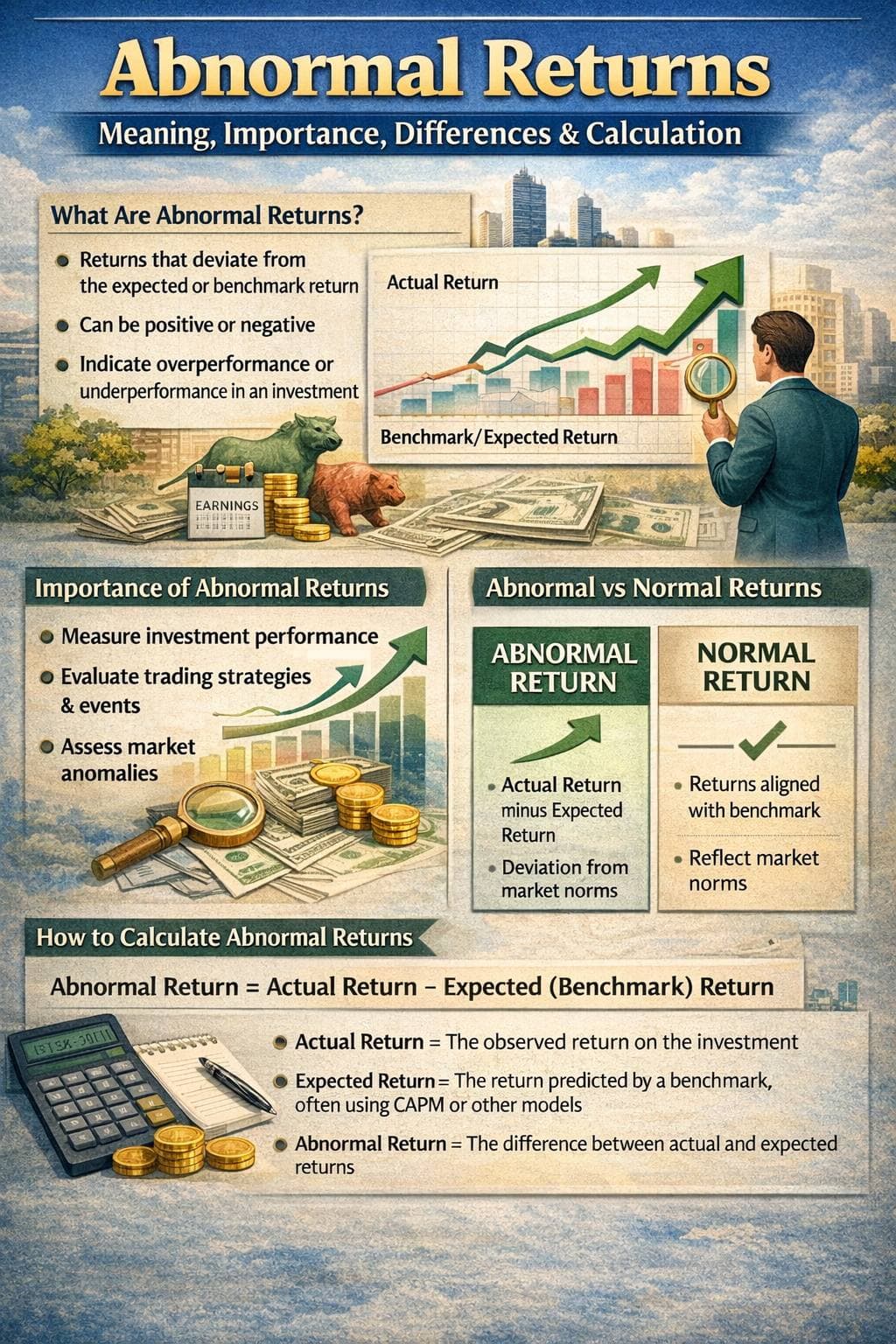
Abnormal returns describe the portion of an investment’s performance that cannot be explained by what was expected. In simple terms, an abnormal return is the gap between what a stock or portfolio actually delivered and what a reasonable model predicted it should deliver. This concept matters because it helps investors separate routine market movement from performance driven by specific events, decisions, or unusual circumstances. Abnormal returns can be positive or negative. A positive abnormal return suggests the investment outperformed expectations, while a negative abnormal return suggests it underperformed. Either direction can carry valuable information, especially when the abnormal movement is large or repeated across time. What Are Abnormal Returns? When investors analyze stocks, they usually focus on actual returns, meaning the profit or loss earned over a period. However, looking only at raw returns can be misleading because markets move for many reasons, including broad economic trends, interest rate shifts, sector cycles, and investor sentiment. Abnormal returns take that context into account by comparing actual performance with expected performance. Expected returns can be estimated using multiple approaches, including historical averages, benchmark comparisons, or models like the Capital Asset Pricing Model (CAPM). If a stock rises 8% but the expected return based on its risk and market conditions was 5%, then the abnormal return is 3%. If the stock delivers 2% when expectations were 5%, the abnormal return is minus 3%. Abnormal returns are especially useful around company-specific events such as earnings announcements, mergers, acquisitions, regulatory actions, product recalls, leadership changes, or lawsuits. In these periods, abnormal returns can highlight how the market responded beyond what general market movement would suggest.
Read more
Byzantine Fault Tolerance in Blockchain Systems
Byzantine Fault Tolerance, often abbreviated as BFT, refers to the ability of a distributed system to continue operating correctly even when some of its participants behave unpredictably or maliciously. In financial and blockchain systems, this unpredictability can stem from hacked nodes, faulty software, or actors intentionally trying to manipulate outcomes. The concept originates from the classic “Byzantine Generals Problem,” which illustrates how difficult it is for independent parties to reach agreement when trust is incomplete and communication may be compromised. In modern blockchain finance, Byzantine Fault Tolerance is not just a theoretical idea but a foundational design principle. Blockchains are decentralized by nature, meaning no single authority validates transactions. Instead, multiple nodes must agree on the state of the ledger. BFT mechanisms ensure that even if a portion of these nodes provide false information, the network can still reach a truthful consensus. This reliability is critical in financial environments where transaction accuracy, order finality, and resistance to fraud directly affect investor confidence and market stability.
Read more
AAA Bonds
AAA bonds represent the highest level of credit quality available in the bond market. These bonds are widely regarded as some of the safest fixed-income investments, making them particularly attractive to conservative investors seeking stability, capital preservation, and predictable income. Because of their superior credit rating, AAA bonds carry an extremely low probability of default. AAA bonds are typically issued by financially strong corporations, governments, or municipalities that demonstrate an exceptional ability to meet their debt obligations. Investors often use these bonds as a defensive component of their portfolios, especially during periods of economic uncertainty or market volatility.
Read more
Buy-and-Hold Investing and Long-Term Wealth
The buy-and-hold strategy is based on purchasing fundamentally strong assets and holding them through market cycles, regardless of short-term volatility. Investors following this approach focus on long-term growth potential rather than daily price fluctuations. The assumption is that over time, well-chosen stocks, funds, or other assets will reflect the underlying growth of businesses and economies. Another key principle is minimizing unnecessary trading. Frequent buying and selling often leads to higher costs, taxes, and emotional errors. Buy-and-hold investors aim to let compounding work uninterrupted, allowing reinvested dividends and earnings growth to accelerate portfolio value over decades. Diversification also plays an important role. While the strategy emphasizes long-term holding, spreading investments across sectors, industries, or asset classes helps manage risk. This balance allows investors to stay committed even when certain holdings underperform temporarily.
Read more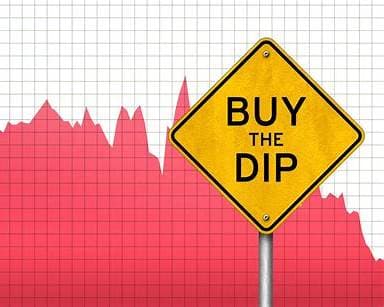
Buy the Dip Strategy: Discipline or Speculation
The phrase “buy the dip” refers to an investment approach where investors purchase assets after a temporary price decline, expecting a rebound. This strategy is rooted in the belief that markets tend to recover over time and that short-term corrections often present attractive entry points. In equity markets, dips may occur due to earnings disappointments, macroeconomic fears, geopolitical events, or sudden shifts in sentiment rather than a permanent deterioration in a company’s fundamentals. For disciplined investors, buying the dip is not about reacting emotionally to falling prices but about evaluating whether the underlying value of an asset remains intact. A well-researched dip-buying decision considers balance sheets, cash flows, sector strength, and broader market trends. When the fundamentals stay strong, a temporary decline can offer a favorable risk-to-reward opportunity and improve long-term return potential.
Read more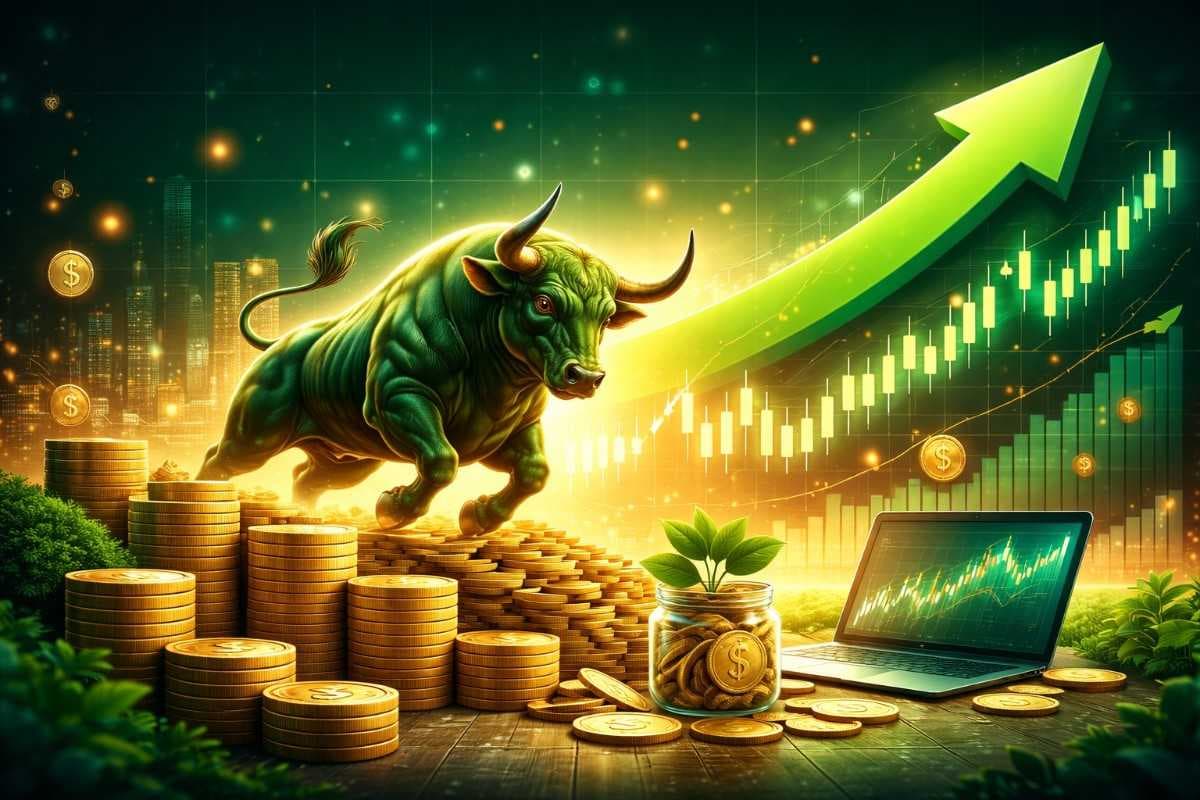
Bull Markets and Wealth Creation Cycles
A bull market refers to a prolonged period in which financial markets, especially equities, experience rising prices supported by strong investor confidence. During a bull market, stock indices tend to make higher highs and higher lows, reflecting sustained demand for risk assets. Corporate earnings generally improve, liquidity remains ample, and volatility stays relatively low compared to bearish phases. These conditions create an environment where capital appreciation becomes the dominant driver of returns, encouraging long-term investment strategies rather than short-term speculation. Another defining feature of bull markets is broad participation across sectors. While leadership may begin with a few high-growth industries, such as technology or financial services, gains often spread to cyclical and defensive sectors as confidence deepens. Initial skepticism gradually gives way to optimism, and market pullbacks are often viewed as buying opportunities rather than warning signs. This combination of momentum, earnings growth, and sentiment forms the foundation of wealth creation cycles during extended bull runs.
Read more
Blockchain Technology and the Future of Finance
Blockchain is a digital ledger technology designed to record transactions in a secure, transparent, and tamper-resistant manner. Unlike traditional databases controlled by a central authority, blockchain operates across a distributed network of computers, known as nodes, that collectively validate and store data. Each transaction is grouped into a block, cryptographically linked to the previous one, forming a continuous and immutable chain. This structure ensures that once information is recorded, altering it becomes extremely difficult without consensus from the network, which significantly enhances trust and data integrity. In the context of finance, blockchain represents a foundational shift in how value is transferred, verified, and stored. Traditional financial systems rely heavily on intermediaries such as banks, clearing houses, and payment processors to ensure trust between parties. Blockchain reduces this dependency by embedding trust directly into the system through cryptography and consensus mechanisms. As a result, financial transactions can become faster, more transparent, and potentially less expensive, especially in cross-border scenarios where legacy systems are often slow and costly.
Read more
Black Swan Events and Financial Market Shocks
A Black Swan Event refers to an extremely rare and unpredictable occurrence that carries a massive impact on financial markets, economies, or societies at large. The term, popularized by Nassim Nicholas Taleb, highlights events that lie outside regular expectations and are often rationalized only in hindsight. In financial markets, Black Swan events disrupt established models, correlations, and forecasts, exposing the limitations of traditional risk assessment tools. From a market perspective, these events typically arrive without clear warning signals, making them difficult to hedge against using standard diversification strategies. What distinguishes a Black Swan is not just its rarity, but the scale of its consequences. Prices can gap sharply, liquidity can evaporate, and investor psychology can shift from optimism to fear within days or even hours. This sudden shift often leads to cascading effects across asset classes, including equities, bonds, commodities, and currencies.
Read more
Bitcoin Halving and Its Impact on Crypto Markets
Bitcoin halving is a core monetary event built into the Bitcoin protocol that occurs roughly every four years, or after every 210,000 blocks are mined. During a halving, the reward that miners receive for validating transactions and securing the network is cut in half. This mechanism was designed by Bitcoin’s creator to control inflation and ensure that the total supply never exceeds 21 million coins. Unlike fiat currencies, where supply can expand based on policy decisions, Bitcoin’s issuance follows a predictable and transparent schedule, making halving one of the most closely watched events in the crypto ecosystem. From a financial perspective, Bitcoin halving functions like a programmed tightening of monetary policy. New Bitcoin entering circulation slows down immediately after the event, reducing the pace of supply growth. For long-term investors, this reinforces Bitcoin’s narrative as a scarce digital asset, often compared to gold. The anticipation around halving cycles tends to increase market attention, media coverage, and speculative positioning well before the actual event occurs.
Read more