Company Overview
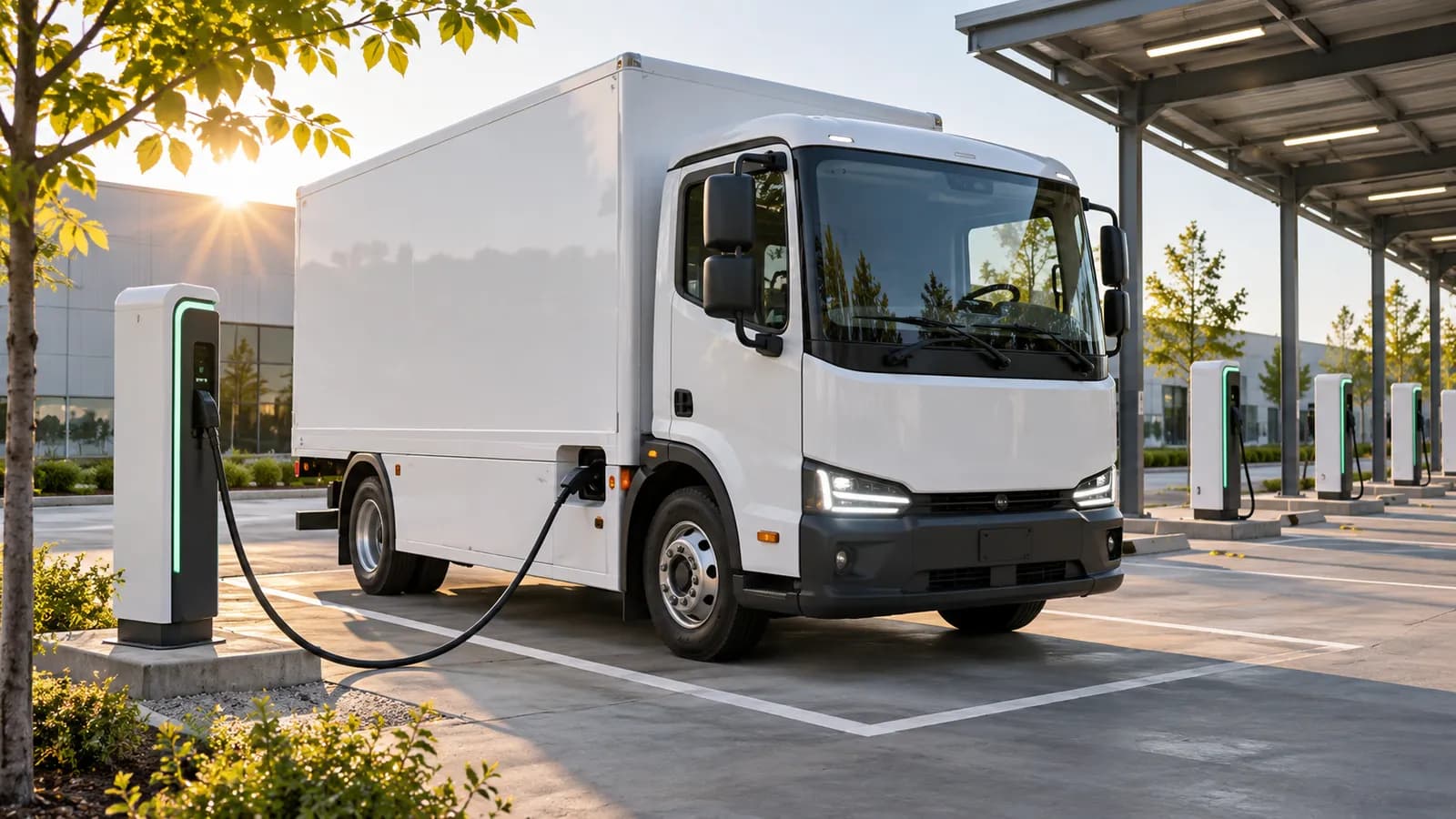
Workhorse Group designs and builds electric delivery trucks for last-mile delivery fleets. It trades on Nasdaq under the ticker WKHS. The company has produced small numbers of vehicles while working to scale production.
Workhorse was founded as AMP Electric Vehicles and built electric delivery trucks.
It lost a USPS contract bid in 2021.
Latest Quarterly Results: Q3 2026
Workhorse reported third-quarter 2026 results in mid-November 2026.
With about $4.9 million of cash and quarterly operating losses near $20 million, funding is the central issue for the company. It took on a $10 million loan in October 2026.
Business Model and Revenue Drivers
Workhorse has reported low revenue and continuing losses, and has relied on equity and debt financing.
It has pursued a merger with Motiv Electric Trucks to combine product lines and resources.
The company has carried out reverse stock splits to maintain its listing.
Competitive Landscape
Workhorse competes with Ford, Rivian, GM BrightDrop and others.
Scale is a challenge.
Revenue Growth and Financial Performance
When reviewing Workhorse Group's reported results, these measures give the clearest view of growth, profitability and cash generation:
- Vehicle deliveries
- Revenue
- Cash and liquidity
- Operating loss
- Share count
Profitability and Earnings Quality
Revenue growth is only part of the picture. For Workhorse Group, it helps to check whether growth comes from higher volumes, higher prices or acquisitions, and whether margins are widening or narrowing as the business scales.
Reported earnings can include one-time items such as restructuring charges, asset sales, tax effects or legal settlements. Separating these from recurring operating results, and comparing like-for-like periods, gives a more reliable view of underlying profitability.
Balance Sheet, Debt and Financial Stability
A review of Workhorse Group's financial position starts with cash, total debt, lease obligations and how operating cash flow compares with capital spending. A business that funds its investment from its own cash flow is in a different position from one that relies on borrowing or issuing new shares.
Changes in inventory, receivables and working capital are also worth monitoring, because they can absorb cash and signal shifts in demand before they appear in revenue.
WKHS Stock Valuation Analysis
Measures such as the price-to-earnings ratio, price-to-sales ratio and enterprise value to EBITDA describe how the market is currently pricing Workhorse Group relative to its results.
However, a single valuation ratio cannot establish whether a stock is undervalued or overvalued. Earnings quality, free cash flow, margins, competitive position and the growth needed to support the current price all need to be considered together, and compared with similar companies.
Business Outlook and Investment Risks
Management guidance and industry conditions shape expectations for Workhorse Group, but guidance is an estimate rather than an established outcome. Several uncertainties are specific to this business:
- Going-concern and funding risk
- Low production volumes
- Competition from larger truck makers
- Share dilution
Fleet Purchasing And Vehicle Economics
A delivery fleet evaluates a truck as part of a route system, not simply as a vehicle on a specification sheet. Daily distance, stop frequency, payload, cargo space and time available for charging determine whether a particular electric truck fits an assignment. A vehicle can meet a published range requirement yet leave too little margin for heating, cooling, hills or unexpected route changes. Demonstrations and pilot deployments help fleet managers compare those conditions with actual duty cycles and driver needs.
The fleet's economic calculation extends beyond the invoice. Electricity, maintenance, tires, insurance, charging equipment and the cost of financing all enter the ownership calculation. Electric drivetrains have fewer routine service items than combustion engines, but battery condition, software support and specialized repairs still matter. Fleet operators also consider downtime: a truck awaiting a part or a technician may require a substitute vehicle. These costs and benefits vary by location and operating pattern, so a headline comparison of energy prices tells only part of the story.
Commercial vehicle decisions often involve operations, procurement, finance and safety teams. A fleet may test a vehicle before committing it to a wider route network, and acceptance can depend on driver feedback and reliable service as well as technical performance. Orders, demonstrations and delivered vehicles therefore represent different stages of a customer relationship. When reading company announcements, distinguish a binding purchase commitment from a nonbinding expression of interest, and check whether deliveries depend on customer acceptance or other conditions.
Manufacturing And Supplier Dependencies
An electric delivery truck combines a chassis, battery system, electric drive components, body, controls and safety equipment. Manufacturers can produce some elements themselves while sourcing others from specialist suppliers. That division affects control over engineering, purchasing and service. A change to one component can require testing or redesign elsewhere in the vehicle, while shortages or specification changes can interrupt an assembly schedule. Supplier relationships therefore matter even when final assembly takes place at the truck maker's own facility.
Production efficiency depends on more than the number of vehicles assembled. Labor hours, component yields, rework, factory utilization and the consistency of the supply chain all influence manufacturing cost. Some factory expenses remain in place even when output is limited, so the cost assigned to each vehicle can be sensitive to throughput. Reported cost of sales may also include adjustments that do not describe the cost of an ordinary vehicle assembled during the period. Footnotes can help identify such items.
Warranty obligations connect manufacturing quality to results after a vehicle leaves the factory. A manufacturer estimates the cost of repairs covered by its warranties and records an expense and liability as appropriate. Later claims experience can lead to changes in that estimate. Reading the warranty liability alongside disclosures about recalls, service campaigns and product changes gives context to reported margins. The timing of a repair payment can differ from the period in which the related expense was recorded.
Charging And Service Networks
Depot charging requires coordination between the fleet, electrical contractors, equipment suppliers and the local utility. The site needs suitable electrical capacity, chargers, parking arrangements and a schedule that matches the vehicles' return times. Electricity tariffs can include charges related to peak demand as well as energy consumed, making charging schedules relevant to operating costs. The vehicle maker's role can range from supplying a compatible truck to helping coordinate installation and support, depending on the commercial arrangement.
Interoperability is another practical consideration. A truck and charger must communicate correctly, and fleet software may need to track charging status, vehicle availability and faults. A connector that physically fits does not by itself establish that every combination of equipment and software will work as intended. Testing under the customer's actual operating conditions can uncover issues that are less visible in a laboratory or a short demonstration.
Service coverage influences how readily a fleet can deploy vehicles across different locations. Technicians need training, diagnostic tools, repair information and access to replacement parts. A manufacturer may use its own staff, independent service providers or dealer partners to provide support. The arrangement affects response times and the division of responsibilities when a vehicle has a problem. Announcements about a service partnership are more informative when they describe geographic coverage, capabilities and the process for obtaining parts.
Reading Commercial Vehicle Disclosures
A reported delivery count and recognized revenue need not move in lockstep. Vehicle configurations, contract terms and the timing of customer acceptance can differ between transactions. Revenue may also include activities other than selling complete vehicles, such as parts or services, when those activities are disclosed. Notes on revenue recognition explain when control transfers and how the company accounts for separate obligations. Comparing the narrative with the financial statements helps clarify what a reported sales figure represents.
Backlog describes business that has been ordered but not yet fulfilled, but its meaning depends on the company's definition. Cancellation rights, deposits, delivery schedules and conditions attached to orders affect how much a backlog figure reveals about customer commitments. A change in backlog can reflect new orders, cancellations, deliveries or revised timing. If the company does not provide those details, the headline figure alone cannot identify the cause of the change.
Product development spending deserves attention alongside the description of vehicle programs. Engineering, testing and certification support a product's readiness for commercial use, while expenditure on production equipment serves a different purpose. Financial statements may show these costs in different places according to accounting rules and the nature of the expenditure. Reading the research and development discussion together with capital expenditure and product updates helps explain which activities absorbed resources during a reporting period.
Conclusion: Is WKHS Stock Worth Analyzing in 2027?
Workhorse Group has a business model with clear drivers that can be tracked through its reported results, and a set of risks that are specific to its industry and financial position.
A balanced assessment considers growth, profitability, balance-sheet strength, valuation and risk together. WKHS is a company worth monitoring for what its results reveal about its business.