Company Overview
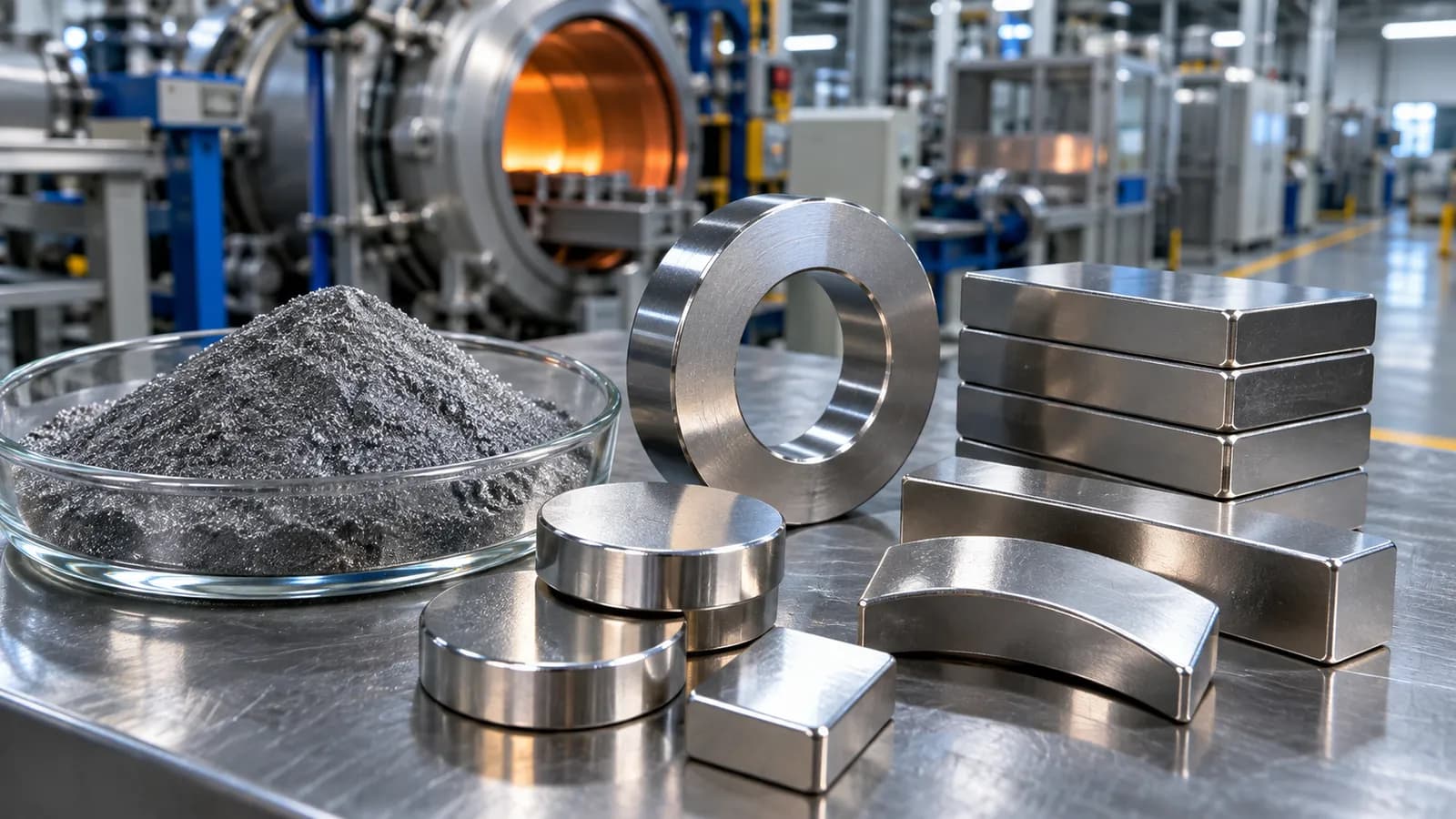
USA Rare Earth is building a domestic supply chain for rare earth magnets, including a magnet manufacturing plant in Stillwater, Oklahoma, and the Round Top rare earth deposit in Texas. It trades on Nasdaq under the ticker USAR.
USA Rare Earth became public through a SPAC merger in 2025.
It is building a magnet plant in Oklahoma.
Latest Quarterly Results: Q3 2026
USA Rare Earth reported third-quarter 2026 results in November 2026.
The company sold the first magnets produced at its Stillwater, Oklahoma plant in September 2026. Revenue is still very small compared with spending, so funding and production ramp-up are the key measures.
Business Model and Revenue Drivers
Rare earth magnets are used in electric vehicles, wind turbines, electronics and defense systems.
Most rare earth processing and magnet production is currently in China, which makes domestic supply a policy priority.
The company is early stage and relies on funding to build capacity.
Competitive Landscape
Competitors include MP Materials, Lynas and Chinese producers.
Domestic supply is its focus.
Revenue Growth and Financial Performance
When reviewing USA Rare Earth's reported results, these measures give the clearest view of growth, profitability and cash generation:
- Plant construction milestones
- Customer agreements
- Cash and funding
- Operating expenses
- Government support
Profitability and Earnings Quality
Revenue growth is only part of the picture. For USA Rare Earth, it helps to check whether growth comes from higher volumes, higher prices or acquisitions, and whether margins are widening or narrowing as the business scales.
Reported earnings can include one-time items such as restructuring charges, asset sales, tax effects or legal settlements. Separating these from recurring operating results, and comparing like-for-like periods, gives a more reliable view of underlying profitability.
Balance Sheet, Debt and Financial Stability
A review of USA Rare Earth's financial position starts with cash, total debt, lease obligations and how operating cash flow compares with capital spending. A business that funds its investment from its own cash flow is in a different position from one that relies on borrowing or issuing new shares.
Changes in inventory, receivables and working capital are also worth monitoring, because they can absorb cash and signal shifts in demand before they appear in revenue.
USAR Stock Valuation Analysis
Measures such as the price-to-earnings ratio, price-to-sales ratio and enterprise value to EBITDA describe how the market is currently pricing USA Rare Earth relative to its results.
However, a single valuation ratio cannot establish whether a stock is undervalued or overvalued. Earnings quality, free cash flow, margins, competitive position and the growth needed to support the current price all need to be considered together, and compared with similar companies.
Business Outlook and Investment Risks
Management guidance and industry conditions shape expectations for USA Rare Earth, but guidance is an estimate rather than an established outcome. Several uncertainties are specific to this business:
- Execution risk
- Funding needs and dilution
- Competition
- Rare earth price volatility
From Ore To Finished Magnet
Rare earth deposits contain mixtures of elements, so extracting rock is only the first step in making a magnet. Processing typically concentrates the mineral material, separates individual rare earth compounds and converts suitable compounds into metals or alloys. Magnet production then turns those materials into a finished component with a specified shape and magnetic performance. Each stage has its own equipment, technical requirements and potential losses. A deposit and a magnet factory therefore represent different parts of a longer industrial chain, with intermediate processing needed to connect them.
Not every rare earth element is used in the same magnet recipe. Neodymium and praseodymium are commonly associated with high-strength permanent magnets, while certain other rare earths can help magnets retain performance at elevated temperatures. The mix of elements recovered from a deposit matters because separation costs and commercial uses differ by element. Descriptions of total rare earth content alone do not show how much material is suitable for a particular magnet application or how difficult it will be to recover separately.
Integration across stages can give a manufacturer more visibility into material specifications and potential sources of supply. It also requires coordination between operations with different technical skills, permitting needs and capital requirements. When reviewing company updates, distinguish a working manufacturing line from a completed source of internally produced feedstock. The origin and processing route of material used at a plant can differ from the company's eventual supply chain design, and those differences can affect costs and exposure to outside suppliers.
Magnet Specifications And Customer Qualification
A permanent magnet is a component designed to retain its magnetic field without a continuous electrical supply. Customers do not simply order by weight: they may specify magnetic strength, operating temperature, dimensions, coatings and resistance to corrosion. The appropriate combination depends on the equipment in which the magnet will operate. For example, a motor designer must consider both the magnet's performance and how it fits within the motor assembly. A product that meets one application standard may need changes before it can serve another.
Qualification is the process of testing whether a component consistently meets a customer's requirements. It can involve samples, engineering review, production trials and checks on the manufacturer's quality controls. Passing an initial test is distinct from receiving a recurring production order. Readers can look for the stage described in a customer announcement, the products covered and any stated conditions. An agreement to explore a supply relationship conveys different information from an order with defined quantities and delivery terms.
Consistency matters because variation in composition, processing or coating can affect performance in use. Manufacturers commonly track defects, yields and traceability to identify where problems arise. A change in a magnet's material source or manufacturing process may require further customer testing. These steps help explain why factory output, qualified output and quantities accepted by customers are separate measures. They also show why a manufacturer's ability to document its process can matter alongside the physical capacity of its equipment.
Reading Production And Cost Disclosures
Capacity describes what equipment is designed or rated to produce under a stated set of conditions. Actual production measures what came off the line, while shipments and recognized revenue describe later stages of the commercial process. These figures need not move together in a reporting period: material may remain in inventory, require rework or await customer acceptance. Comparing disclosures is most useful when the unit of measurement, product type and time period are consistent. A stated capacity figure by itself does not establish utilization or saleable output.
Yield measures the share of material or production that meets a defined standard at a given stage. Its meaning depends on the starting point and whether the calculation includes scrap, rework or losses at earlier processing steps. Lower yield can raise the effective material and labor cost per accepted unit even when a production line is running. If a company reports a yield measure, readers should check its definition and whether it refers to an individual process, the whole factory or customer-accepted product.
Reported manufacturing costs can include materials, labor, energy, maintenance and depreciation, as well as expenses associated with starting a facility. Some costs are incurred regardless of how much saleable output a plant produces, so cost per unit depends partly on how those costs are spread across production. Financial statement notes and management discussion can help identify how inventory and startup costs are treated. Accounting classifications matter when comparing periods because a change in reported margin may reflect both operational performance and the treatment of particular costs.
Resource Estimates And Project Economics
A mineral resource estimate is a geological assessment based on available sampling and assumptions about continuity, grade and potential extraction. It is different from a reserve, which applies additional modifying factors to assess whether extraction is economically mineable under the relevant reporting framework. Categories within an estimate communicate different levels of geological confidence. The date, assumptions and scope of a technical report matter because subsequent drilling, engineering or changes in the project design can alter the basis of an estimate.
A mining project's economics depend on more than the quantity of material in the ground. Recovery rates determine how much of the material can be extracted and processed into saleable products, while impurities can influence the complexity of separation. Engineering studies also consider infrastructure, water, waste handling, energy and the costs of building and operating facilities. For a deposit containing several potentially useful elements, an aggregate resource figure does not explain the expected recovery or processing route for each product.
Permitting and environmental management are distinct from establishing the presence of a mineral resource. A project may need approvals covering activities such as land use, water management and waste disposal, depending on its design and jurisdiction. Readers can distinguish an application, an approval and the completion of the work authorized by that approval. They can also examine disclosed reclamation obligations and plans for managing processing residues, since these responsibilities can extend beyond the operating life of a facility.
Conclusion: Is USAR Stock Worth Analyzing in 2027?
USA Rare Earth has a business model with clear drivers that can be tracked through its reported results, and a set of risks that are specific to its industry and financial position.
A balanced assessment considers growth, profitability, balance-sheet strength, valuation and risk together. USAR is a company worth monitoring for what its results reveal about its business.