Company Overview
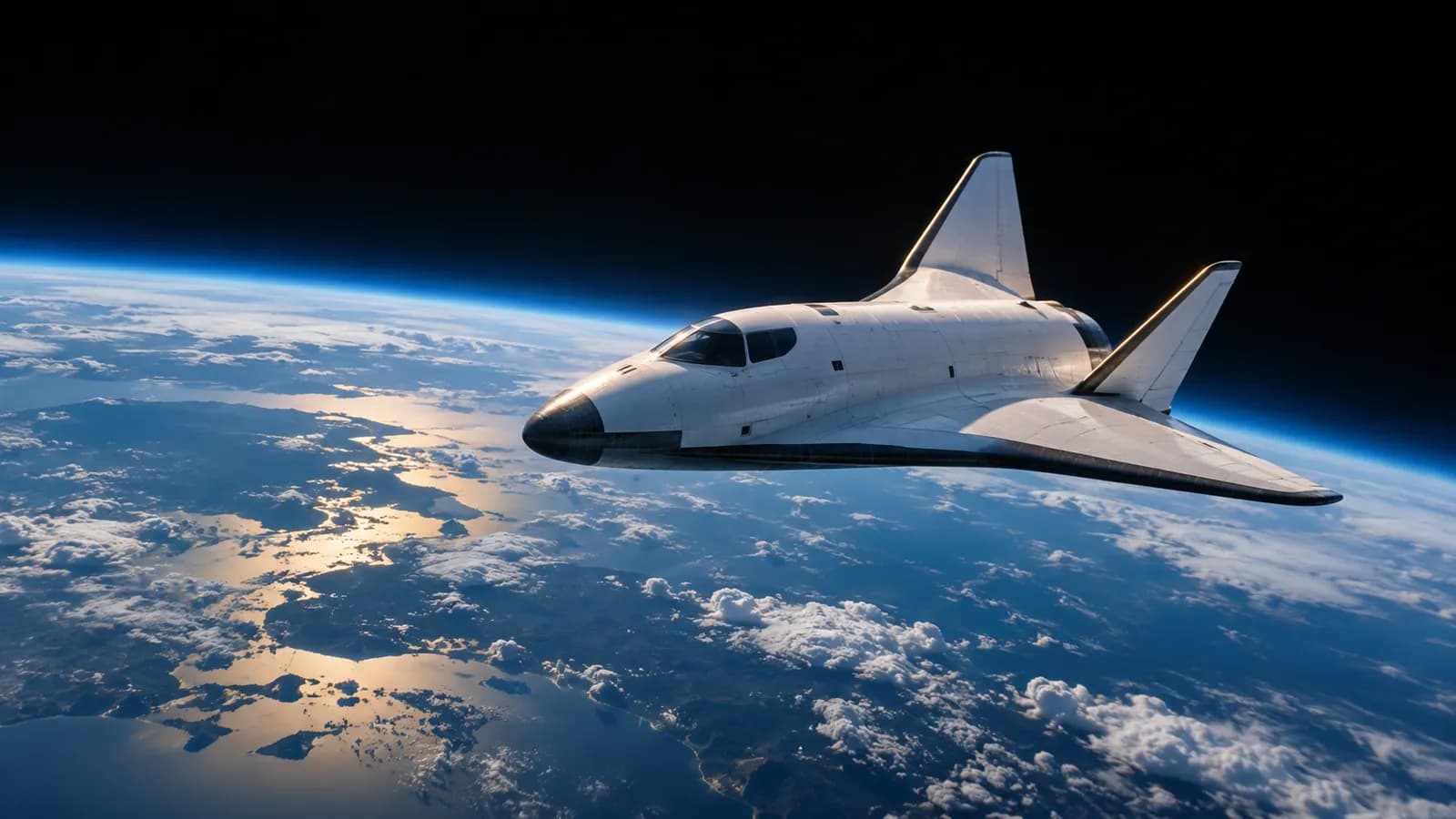
Virgin Galactic is developing suborbital spaceflight for private astronauts and research payloads. It trades on the NYSE under the ticker SPCE. The company paused commercial flights to focus on building its next-generation Delta-class spaceships.
Virgin Galactic was founded by Richard Branson and became public through a merger with a special purpose acquisition company in 2019.
It flew commercial missions in 2023 before pausing to build new spaceships.
Latest Quarterly Results: Q3 2026
Virgin Galactic reported third-quarter 2026 results on November 12, 2026.
The company now says it expects its first commercial flight on the new Delta-class ships in early Q2 2027, a later date than previously planned. Weighted share count roughly tripled from a year earlier, which is why loss per share improved more than the net loss.
Business Model and Revenue Drivers
The Delta-class ships are designed to fly more often and carry more passengers than earlier vehicles.
Virgin Galactic has collected deposits from future astronauts, but commercial revenue is limited until flights resume.
The company funds development through cash reserves and share sales.
Competitive Landscape
Virgin Galactic competes with Blue Origin in suborbital space tourism.
SpaceX offers orbital private missions.
Revenue Growth and Financial Performance
When reviewing Virgin Galactic's reported results, these measures give the clearest view of growth, profitability and cash generation:
- Cash and marketable securities
- Quarterly cash burn
- Spaceship development milestones
- Customer deposits
- Share count
Profitability and Earnings Quality
Revenue growth is only part of the picture. For Virgin Galactic, it helps to check whether growth comes from higher volumes, higher prices or acquisitions, and whether margins are widening or narrowing as the business scales.
Reported earnings can include one-time items such as restructuring charges, asset sales, tax effects or legal settlements. Separating these from recurring operating results, and comparing like-for-like periods, gives a more reliable view of underlying profitability.
Balance Sheet, Debt and Financial Stability
A review of Virgin Galactic's financial position starts with cash, total debt, lease obligations and how operating cash flow compares with capital spending. A business that funds its investment from its own cash flow is in a different position from one that relies on borrowing or issuing new shares.
Changes in inventory, receivables and working capital are also worth monitoring, because they can absorb cash and signal shifts in demand before they appear in revenue.
SPCE Stock Valuation Analysis
Measures such as the price-to-earnings ratio, price-to-sales ratio and enterprise value to EBITDA describe how the market is currently pricing Virgin Galactic relative to its results.
However, a single valuation ratio cannot establish whether a stock is undervalued or overvalued. Earnings quality, free cash flow, margins, competitive position and the growth needed to support the current price all need to be considered together, and compared with similar companies.
Business Outlook and Investment Risks
Management guidance and industry conditions shape expectations for Virgin Galactic, but guidance is an estimate rather than an established outcome. Several uncertainties are specific to this business:
- Development delays
- Large cash burn and dilution
- Safety and regulatory issues
- Uncertain demand for space tourism
From Booking To Flight Revenue
A passenger reservation and a completed flight represent different stages of a transaction. A reservation can involve an advance payment, while the flight and related customer services remain to be provided. Financial statements can therefore show cash received before the corresponding revenue appears. The relevant accounting question is when the company has satisfied its obligation to the customer, rather than simply when money entered its bank account. Notes on revenue recognition and contract liabilities explain the company's policies and the amounts still associated with unfulfilled obligations.
A deposit balance is not the same as a count of passengers ready to fly. Individual contracts may have different payment schedules or other terms, and balances can change as customers make further payments, fly, cancel or receive refunds. The financial statement notes and management discussion can help explain which movements affected the balance. Reading those disclosures alongside any separately reported reservation information gives a clearer picture of the relationship between bookings, cash receipts and services still owed.
Research flights add another type of customer relationship. A payload operator may pay for access to a brief period of microgravity, with services potentially including integration, flight preparation and handling of equipment. The economics of such a mission depend on the contract and the resources required, not just the amount billed. Separating passenger and research activity when disclosures allow can help explain changes in the mix of work and the timing of recognized revenue.
Understanding Flight Operations
Virgin Galactic's approach uses a carrier aircraft to take a spaceplane aloft before the spaceplane separates and fires its rocket motor. This air-launch sequence creates operating dependencies across both vehicles, their crews, ground systems and maintenance teams. A spaceplane's availability alone does not describe the capacity of the whole system. Mission preparation, inspections, training, airspace coordination and recovery activities all form part of the operating process and can influence how much activity the system can accommodate.
Fleet capacity is best understood as a chain rather than a single vehicle specification. Manufacturing needs to produce vehicles that can be supported with parts, trained personnel and maintenance facilities. After each flight, inspection and servicing requirements affect when equipment can be used again. If one resource is shared among several vehicles, its availability can constrain the system even when the vehicles themselves are ready. Disclosures about manufacturing, ground infrastructure and maintenance can therefore be read together.
Published seat capacity also differs from the number of paying passengers on a particular mission. A flight may allocate space to crew, research equipment or other operational requirements, depending on its configuration. Empty seats and the mix of activities can affect revenue per flight, while mission costs can include personnel, facilities, consumables and upkeep. Looking at capacity utilization alongside the cost structure provides more context than multiplying a stated seat count by a ticket price.
Reading Development Spending
A company building flight vehicles incurs costs at several stages, from design and testing to manufacturing and preparation for service. Accounting treatment depends on the nature of each expenditure and the applicable rules. Some spending appears as an expense in the period incurred, while qualifying expenditures may be recorded as assets and recognized in earnings over time. The notes on research and development, property and equipment, and significant accounting policies help explain how those choices appear in reported results.
The cash flow statement provides a different view from the income statement. It reconciles net income or loss to cash used in operations and separately reports cash spent on long-lived assets as investing activity. Noncash charges, including depreciation and share-based compensation, can widen the gap between an accounting loss and operating cash flow. Examining the reconciliation helps identify why the two measures differ, while capital expenditure disclosures show spending that may not appear immediately as an operating expense.
Changes in the recorded value of equipment can also be informative. Depreciation allocates an asset's recorded cost over its estimated useful life, while an impairment charge reflects a reduction in carrying value under the applicable accounting rules. Neither item necessarily represents cash paid in the reporting period. The accompanying notes can explain which assets are affected and the assumptions involved. Comparing the asset balances with cash spending on equipment helps connect the accounting record to the physical development program.
Milestones And Evidence
Development milestones describe different kinds of progress. Completing a design review, assembling a vehicle and conducting a flight test each answer a different question about the program. Ground tests can examine individual systems under controlled conditions, while flight tests assess how systems work together in operation. A milestone announcement is most informative when it explains what was tested, what criteria applied and which steps remain before the vehicle can enter regular service.
Regulatory permission and operational readiness are related but distinct considerations. The applicable licensing process addresses requirements for conducting spaceflight activities, while the operator must also coordinate people, equipment and procedures for each mission. Financial filings and regulatory disclosures can provide different perspectives on these matters. Reading the scope of an authorization carefully helps distinguish permission for a particular activity from evidence about the company's broader operational capacity.
Conclusion: Is SPCE Stock Worth Analyzing in 2027?
Virgin Galactic has a business model with clear drivers that can be tracked through its reported results, and a set of risks that are specific to its industry and financial position.
A balanced assessment considers growth, profitability, balance-sheet strength, valuation and risk together. SPCE is a company worth monitoring for what its results reveal about its business.