What Is Upside?
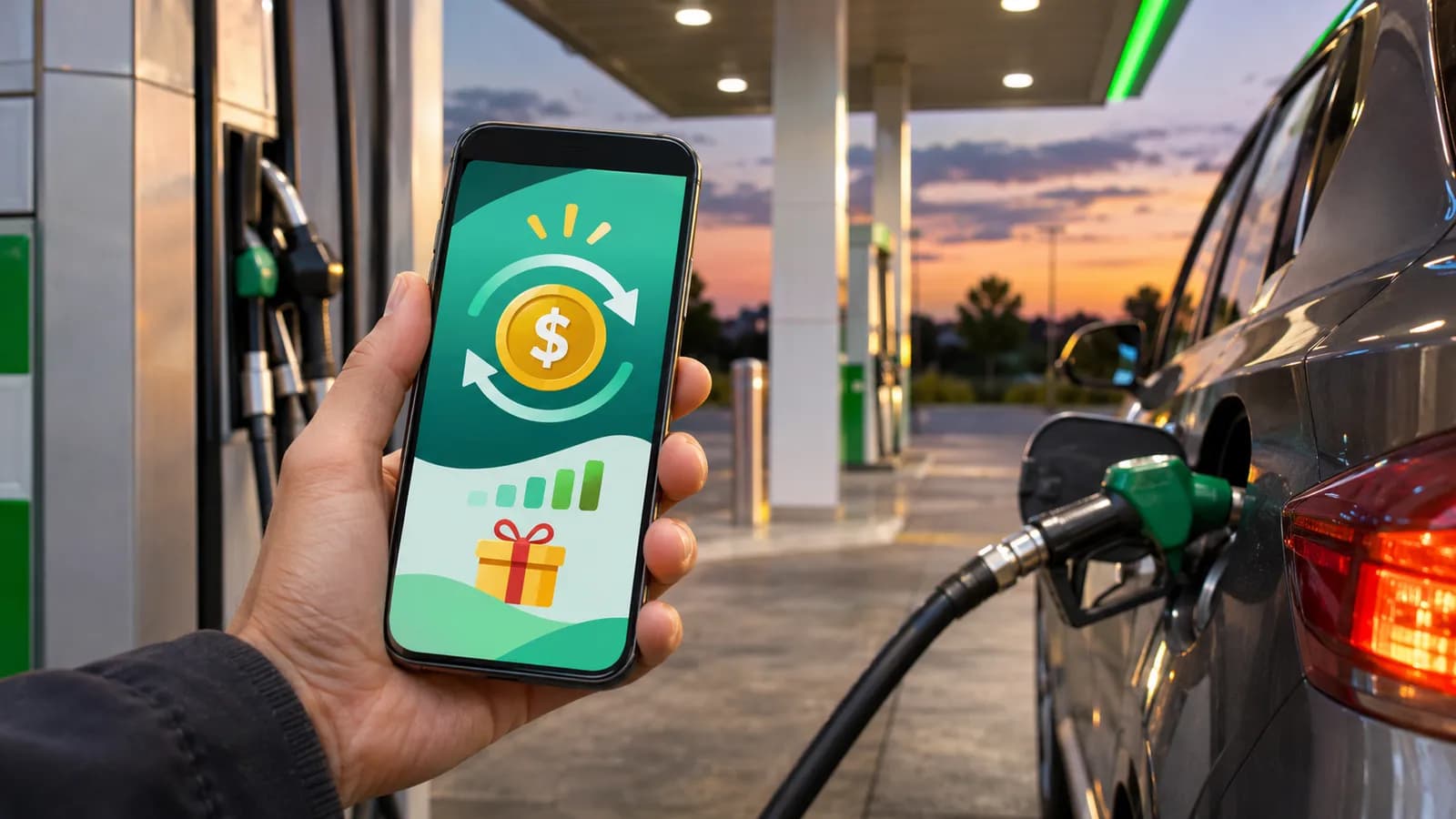
Upside is a cash back app that offers rewards on purchases at participating gas stations, grocery stores, restaurants and other merchants. Users claim an offer in the app, pay with a linked card, and receive cash back after the purchase is verified.
Upside was founded in 2016 and started with gas station offers before expanding into groceries, restaurants and other merchants.
It uses transaction data to measure incremental profit for merchants.
How Upside Works Step by Step
Users claim an offer before buying, then pay with a card linked in the app or upload a receipt.
Merchants fund the cash back because Upside brings them additional customers and measures the extra profit those customers generate.
Earned cash back can usually be withdrawn to a bank account, PayPal or as gift cards once it reaches a minimum amount.
Other Cash Back Apps
Other cash back apps include Ibotta, Fetch, Rakuten and card-linked offers from banks.
Credit card rewards can be combined with app cash back.
What to Check When Using Upside
These details affect how much value the app provides:
- Cash back rate per offer
- Participating merchants nearby
- Withdrawal minimums and options
- Time for cash back to be confirmed
- Privacy and data sharing settings
Limitations to Keep in Mind
Cash back apps have some limitations:
- Offers vary by location and time
- The cheapest option may not be the merchant with the best offer
- Cash back can take time to process
- Linking cards shares transaction data with the app
Measuring Incremental Business
A merchant evaluating a promotion needs to distinguish a purchase caused by the offer from one that would have happened anyway. The first can add business, while the second mainly changes the economics of an existing sale. Incrementality is the name for this distinction. It cannot be observed directly for an individual transaction because the same customer cannot both receive and not receive the same offer under identical conditions. A measurement system therefore estimates what would have happened without the promotion and compares that baseline with observed behavior.
A useful evaluation considers customer behavior over more than a single visit. A promotion may attract someone who would otherwise have shopped elsewhere, but it may also shift a regular customer's purchase from one day to another. Changes in visit frequency, spending per visit and the mix of products purchased can all affect the result. A merchant also needs to account for customers who stop visiting after an offer ends. Looking only at the number of redeemed offers does not capture these differences.
The comparison method matters as much as the outcome. Customer groups can differ in location, shopping habits and exposure to other promotions, making a simple comparison misleading. Seasonality and changes in local competition can also influence sales independently of an app offer. Experiments that compare similar groups with different offer exposure can help isolate the effect, although their design and the data available still shape the conclusion. A reported lift should therefore be read alongside the baseline, time period and customer activity included in its calculation.
Merchant Economics And Offer Design
A sale's revenue is not the same as the profit a merchant earns from it. The merchant must cover the cost of goods and other expenses associated with the transaction. A promotion adds another cost, so its economics depend on the margin left after those costs. The relevant margin can differ across product categories and individual stores. A merchant may also consider whether a visit leads to purchases beyond the item that initially attracted the customer, since those purchases contribute to the total economics of the visit.
Businesses have reasons to target offers selectively rather than give every shopper the same reduction. An offer can be designed around a location or a group of customers whose behavior the merchant wants to influence. The merchant must balance the size of the incentive against the additional activity it generates: a larger incentive costs more on each qualifying purchase, while a smaller one may attract less attention. The economic question is whether the additional contribution from changed behavior covers the promotion's costs over the period being measured.
Competition for customers also affects the design of a promotion. A store may use an offer to introduce itself to people who have not visited, encourage an existing customer to return, or compete for a particular shopping occasion. These aims are distinct and call for different measures of success. A first visit can be counted quickly, but assessing whether a customer develops a repeat habit requires a longer view. Comparing campaigns without considering their objectives can make a useful result look weak or a costly result look successful.
From Purchase To Reward Ledger
A card-linked reward relies on matching information about a qualifying purchase to the offer and the user's account. The matching process must establish which merchant received the payment and whether the purchase met the offer's conditions. A receipt-based process uses a different record of the purchase and may require its own review. In either case, the app's display is an account of a reward claim rather than the payment itself. A pending entry indicates that the information needed to settle the claim is still being checked.
Several details can complicate matching. A merchant's billing name may differ from the name on its storefront, and a purchase may be processed through an intermediary. Returns, cancellations and adjustments can also change the transaction after an initial authorization. Some offers apply only to specified products or exclude particular fees and taxes. Keeping the payment record and reading the offer terms can help a user understand a missing or adjusted reward when seeking support. The relevant evidence depends on the payment and verification method used.
Once a reward is confirmed, it becomes part of the user's cash back balance under the app's account rules. A balance, a withdrawal request and money received in a destination account are separate stages. Each can have its own status and processing requirements. Gift cards and transfers also differ in how the proceeds can be used: a gift card is generally restricted to its stated issuer or network, while a transfer depends on the receiving account's arrangements. The withdrawal screen and its terms explain the choices available for a particular account.
Privacy And The Data Trail
A transaction record can reveal more than the amount paid. Depending on what is collected, it may show a merchant, location, time and pattern of repeat visits. When combined with account or device information, such records can help a service associate purchases with a particular user and evaluate offers. Data used to verify a reward may differ from data used for analytics, personalization or marketing. Reading the relevant privacy notice helps distinguish these purposes and identify the types of information involved.
The parties handling information can include the app provider, payment-related service providers and participating merchants. Their roles matter because matching a transaction, measuring a campaign and communicating an offer are different activities. A privacy notice may describe what is shared, whether information is aggregated, and which service providers process it. Aggregated reporting combines information across records, but the practical privacy effect depends on how the data is prepared and used. The presence of aggregation alone does not explain every detail of a data-sharing arrangement.
Account controls are most useful when considered across the full life of the data. Users can review available settings for communications, permissions and linked payment methods, as well as the process for accessing or deleting account information. Removing a card or closing an account may stop some future uses, but it does not necessarily erase every record immediately. Retention practices and any applicable legal or operational requirements are described in the provider's terms and privacy materials. Those documents also explain how to submit a request or raise a concern.
Conclusion: Understanding Upside
Upside pays users cash back funded by merchants that want more customers. How much value it provides depends on where a person shops, the offers available nearby and whether the prices are competitive.