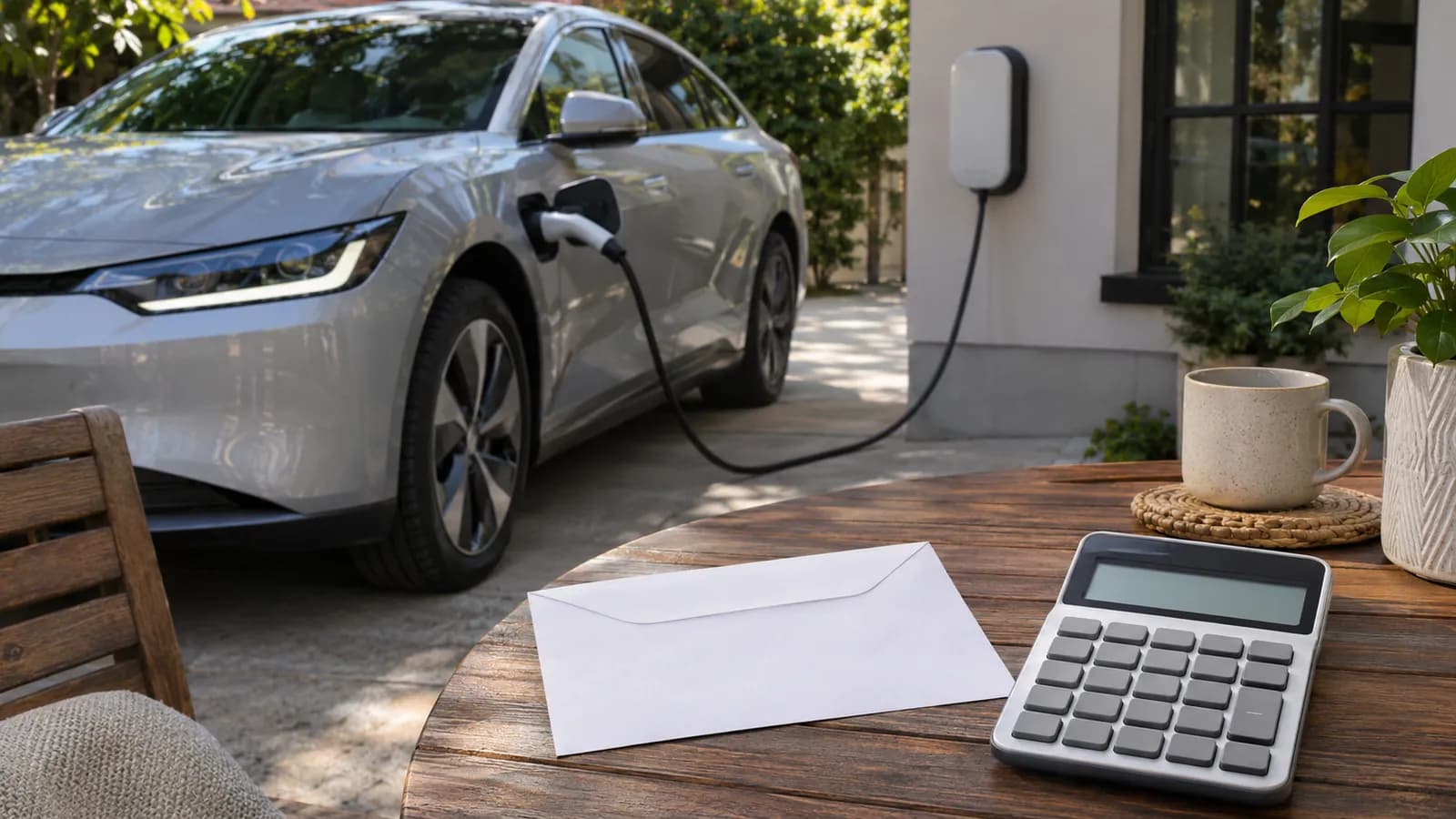
What Was the Federal EV Tax Credit?
The federal clean vehicle credit gave buyers of qualifying new electric vehicles up to $7,500, with a separate credit for used EVs. Under the One Big Beautiful Bill Act, these purchase credits ended for vehicles acquired after September 30, 2025, so buyers in 2026 generally do not receive a federal EV purchase credit.
Federal tax credits for plug-in vehicles began in 2008 and were expanded and restructured by the Inflation Reduction Act of 2022.
The One Big Beautiful Bill Act, signed in July 2025, ended the new, used and commercial clean vehicle credits for vehicles acquired after September 30, 2025.
Key Facts: Federal EV Credits
How the main federal clean vehicle credits changed under the One Big Beautiful Bill Act.
State and utility programs are separate from federal credits and have their own rules and dates.
How the Credit Worked and When It Ended
The new vehicle credit (Section 30D) had requirements on battery components, critical minerals, vehicle price and buyer income. The used vehicle credit (Section 25E) had lower price and income limits.
From 2024, buyers could transfer the credit to the dealer at the time of sale to receive it as an upfront discount.
The commercial clean vehicle credit (Section 45W) ended on the same date. A federal credit for installing home charging equipment remained available for a period afterward.
Incentives That May Still Apply
Many states and utilities run their own EV rebates or incentives, which vary widely and can change.
Manufacturers sometimes offer their own discounts or financing deals, separate from government programs.
What to Check When Buying an EV Now
Without the federal purchase credit, these factors shape the cost of an EV:
- Date the vehicle was acquired
- Whether a binding contract was signed before the deadline
- State and utility incentives
- Charging equipment credit eligibility
- Total cost of ownership comparison
Things to Keep in Mind
Several points matter after the end of the federal credit:
- No federal purchase credit for vehicles acquired after the cutoff
- State incentives vary and can change
- Higher effective EV prices without the credit
- Tax rules can be complex near deadlines
How Tax Credits Affect a Return
A tax credit reduces tax calculated under the applicable rules, while a tax deduction reduces the income used to calculate tax. The value of a deduction therefore depends in part on the taxpayer's marginal tax rate; a credit is stated as an amount against tax. Credits can also differ in whether they are refundable. A refundable credit can produce a payment beyond the tax otherwise owed, while a nonrefundable credit is generally limited by the tax available to offset. The label 'credit' alone does not establish which treatment applies, so the relevant provisions and return instructions matter.
Tax liability is different from the amount due when a return is filed. Payroll withholding and estimated payments are credits against the final bill; a refund can arise because those payments exceeded the tax ultimately owed. Consequently, receiving a refund does not by itself show that a person had no tax liability to offset. Conversely, owing a balance at filing does not establish the full amount of tax liability. When reviewing a past vehicle transaction, the completed return and its supporting credit forms give a clearer picture than the refund or balance due alone.
Credit eligibility and credit calculation are separate questions. A transaction can meet a program's vehicle and buyer conditions, yet the amount usable on a return can still depend on the statutory calculation and the taxpayer's circumstances. Some credits have ordering rules that determine how they interact with other tax benefits. A carryforward, when a particular law permits one, moves an unused amount to a later tax year; it is not automatic for every credit. Reading the instructions for the applicable year helps distinguish an eligibility requirement from a limit on the amount that can actually be applied.
Vehicle Transaction Records
A vehicle transaction can involve an order, a contract, payment, delivery, registration and a change in ownership at different times. These events serve different purposes, and a date on one document does not necessarily establish the date relevant to every tax rule. A purchase agreement can describe the parties' obligations, while a delivery receipt and title records can help document what actually occurred. Amendments, cancellations and replacement vehicles can complicate the sequence. Reading the documents together is more informative than treating an order confirmation as a complete account of the transaction.
For an earlier transaction, useful records can include the sales contract, invoice, vehicle identification number, delivery documentation and any credit-related report supplied by the seller. The identification number connects the paperwork to the particular vehicle rather than merely to a model name. Records of any point-of-sale credit transfer can also help reconcile the transaction with the tax return. Keeping the original documents and later corrections together makes it easier to trace discrepancies, such as a changed buyer name or a vehicle substituted after an order was placed.
Leasing And Vehicle Ownership
A lease separates the person using a vehicle from the entity that owns it. The customer pays for use under a contract, while the leasing company generally holds the vehicle and bears responsibility for disposing of it at the end, subject to the contract's terms. Monthly payments reflect several components, including the vehicle's agreed starting value, an assumed value at lease end, financing charges and fees. The assumed end value is an input to the contract, not a guarantee of the vehicle's eventual market value.
A lease quote may reflect a manufacturer's promotion, a dealer concession or an incentive available to the leasing entity. These items are not interchangeable, and a customer cannot infer the source or amount of a concession from the monthly payment alone. The written calculation can show how the starting value, upfront payment and other charges affect the payment. Mileage limits, wear standards, early termination provisions and any purchase option also matter when comparing lease contracts, because each changes the obligations attached to using or returning the vehicle.
Understanding Charging Costs
Charging expense depends on the electricity needed by the vehicle and the price paid for that electricity. Efficiency is commonly expressed as electricity consumed per distance traveled, although actual consumption varies with speed, weather, terrain and use of heating or cooling. Energy drawn from the grid can exceed the energy stored in the battery because some is lost during charging. Comparing electricity consumption on the same distance basis makes the calculation easier to interpret, especially when published efficiency figures and a household bill use different units.
The price of charging can vary by location and by the structure of the electricity tariff. A household bill may combine energy charges with delivery charges, fixed fees and taxes; only charges that change with additional consumption belong directly in a calculation of the incremental cost of charging. Time-based rates can make the hour of charging relevant. Public charging providers may use different billing methods and add session or idle fees, so a comparison should account for both the energy received and the terms of the session.
Installation costs are another distinct part of charging economics. A home charging setup can involve equipment, labor, permits and electrical work, with the scope depending on the existing service and the chosen location. A quote can separate the charger itself from work on wiring or the electrical panel. Those costs are usually incurred at installation, whereas electricity is purchased over time. For a comparison across arrangements, it helps to keep one-time expenses separate from recurring charges and consider who is responsible for equipment maintenance or removal if the occupant moves.
Conclusion: The EV Tax Credit After 2025
The federal EV purchase credits ended for vehicles acquired after September 30, 2025. State programs, utility rebates and remaining charging incentives now make up most of the available support, so comparing local incentives and total ownership costs matters more than before.