Company Overview
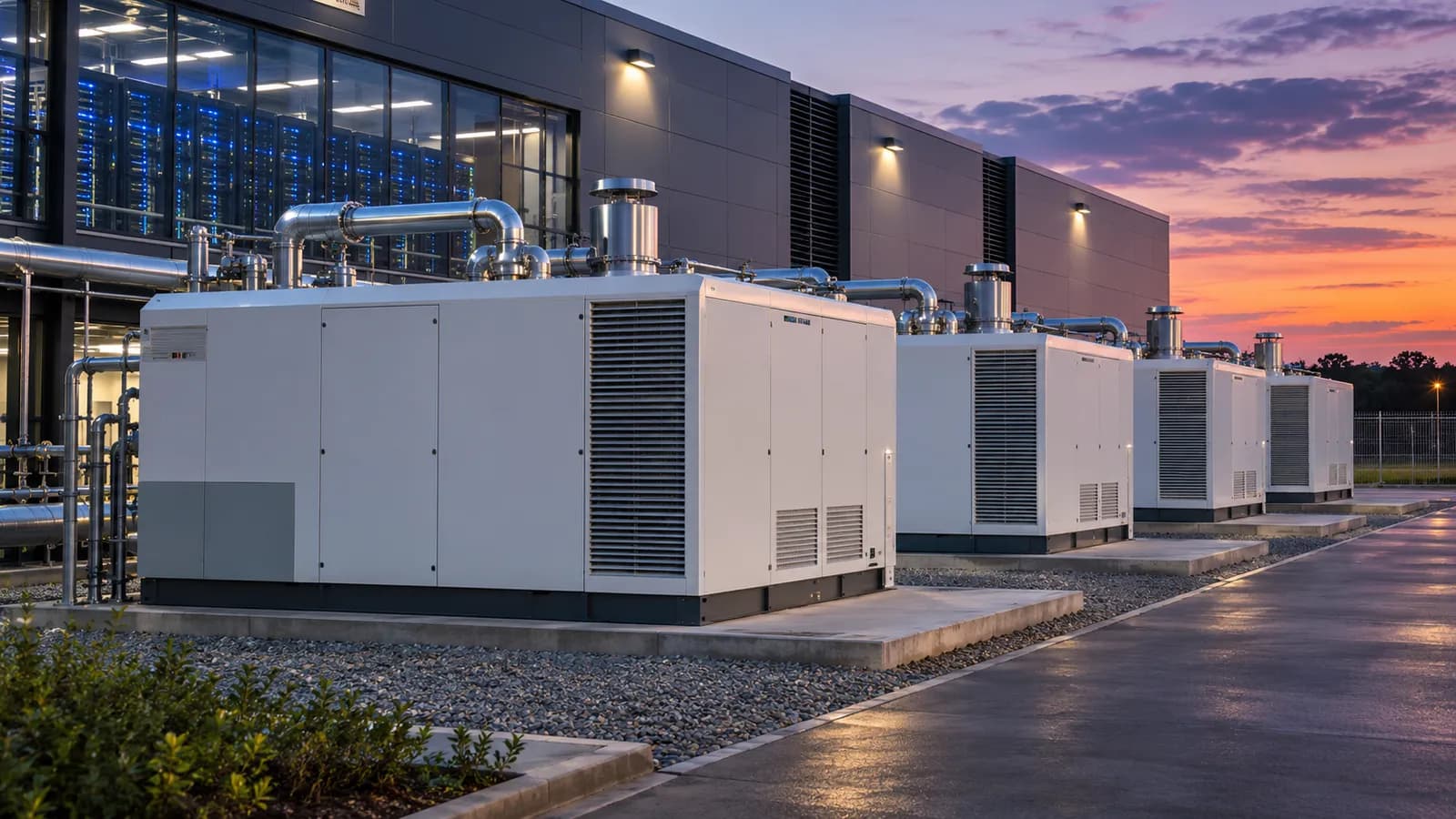
Bloom Energy makes solid oxide fuel cell systems that generate electricity on site, mainly from natural gas or hydrogen. It trades on the NYSE under the ticker BE. Customers include data centers, utilities, hospitals and manufacturers.
Bloom Energy was founded by K.R. Sridhar and developed solid oxide fuel cell technology.
It became public in 2018.
Latest Quarterly Results: Q3 2026
Bloom Energy reported third-quarter 2026 results on October 22, 2026.
Revenue more than doubled on demand for on-site power, and the company was added to the S&P 500. Free cash flow stayed negative as the company built inventory and capacity.
Business Model and Revenue Drivers
Demand for on-site power has grown as data centers face delays in connecting to the electric grid.
Bloom has signed agreements with utilities and infrastructure investors to deploy large amounts of fuel cell capacity.
The company also develops electrolyzers that produce hydrogen.
Competitive Landscape
Bloom competes with gas turbines, reciprocating engines, batteries and grid power.
Its systems' speed of deployment is an advantage for data centers.
Revenue Growth and Financial Performance
When reviewing Bloom Energy's reported results, these measures give the clearest view of growth, profitability and cash generation:
- Product and service revenue
- Gross margin
- Megawatts shipped
- Backlog
- Operating cash flow
Profitability and Earnings Quality
Revenue growth is only part of the picture. For Bloom Energy, it helps to check whether growth comes from higher volumes, higher prices or acquisitions, and whether margins are widening or narrowing as the business scales.
Reported earnings can include one-time items such as restructuring charges, asset sales, tax effects or legal settlements. Separating these from recurring operating results, and comparing like-for-like periods, gives a more reliable view of underlying profitability.
Balance Sheet, Debt and Financial Stability
A review of Bloom Energy's financial position starts with cash, total debt, lease obligations and how operating cash flow compares with capital spending. A business that funds its investment from its own cash flow is in a different position from one that relies on borrowing or issuing new shares.
Changes in inventory, receivables and working capital are also worth monitoring, because they can absorb cash and signal shifts in demand before they appear in revenue.
BE Stock Valuation Analysis
Measures such as the price-to-earnings ratio, price-to-sales ratio and enterprise value to EBITDA describe how the market is currently pricing Bloom Energy relative to its results.
However, a single valuation ratio cannot establish whether a stock is undervalued or overvalued. Earnings quality, free cash flow, margins, competitive position and the growth needed to support the current price all need to be considered together, and compared with similar companies.
Business Outlook and Investment Risks
Management guidance and industry conditions shape expectations for Bloom Energy, but guidance is an estimate rather than an established outcome. Several uncertainties are specific to this business:
- Natural gas prices
- Competition from turbines, batteries and grid power
- Customer concentration
- Policy changes affecting clean energy incentives
Fuel Cell Operating Economics
A solid oxide fuel cell converts chemical energy into electricity through reactions across a ceramic electrolyte. Because it operates at high temperatures, the system also needs equipment for heat management, fuel processing and power conversion. The economics of a site therefore depend on the complete installation, not just the generating module. A customer can compare the electricity produced with the fuel consumed, while also accounting for installation, maintenance and equipment replacement over the operating life of the project.
Fuel efficiency describes how much usable electricity a system produces from its fuel input. The basis of an efficiency figure matters: measurements can differ depending on whether they include auxiliary equipment and how fuel energy is defined. Some sites can use heat from the system as well as electricity, but the value of that heat depends on whether the customer has a suitable, consistent use for it. Utilization also matters because fixed equipment costs are spread across the electricity actually generated.
The price a customer pays for power also reflects the structure of its utility bill. A bill may include charges tied to electricity consumption, peak demand and connection to the network. On-site generation can affect those components differently, depending on the tariff and operating arrangement. Fuel delivery charges and the cost of retaining grid service belong in the same comparison. A project's financial terms therefore depend on local conditions as well as the equipment's technical performance.
Contracts And Revenue Recognition
An equipment sale and a long-term service arrangement create different patterns of reported revenue. Equipment revenue generally depends on when control transfers under the contract, while service revenue is recognized as the company performs its obligations. Contract terms can also determine whether installation or other work is accounted for separately. Reading the revenue recognition policy alongside the segment and revenue disclosures helps explain why shipments, installations and reported sales need not move together in a given period.
Service commitments can extend well beyond delivery of a system. Their economics depend on the fees received and the cost of labor, replacement components and other obligations over the contract term. Deferred revenue represents amounts billed or received before the related performance obligation is satisfied; it is not the same as profit. Investors can examine changes in deferred revenue and contract assets together with the notes describing payment schedules and performance obligations to understand timing differences between billing and recognized revenue.
Backlog requires similar care because a signed arrangement may contain conditions, cancellation rights or delivery schedules that vary by customer. The definition used in company disclosures determines what is included and whether service commitments are counted alongside equipment orders. Backlog is a measure of contracted or expected work under that definition, while revenue reflects accounting recognition. Comparing the two without considering those distinctions can obscure the timing and conditions attached to the work.
Reliability And Site Integration
A power system is only one part of an on-site installation. Projects may require a fuel connection, electrical switchgear, permitting and coordination with existing facilities. The system's role also matters: a site designed to operate alongside the grid has different integration needs from one intended to supply power during a grid outage. Electrical protection and controls must match the way the customer intends to use the equipment, including how the facility handles interruptions and changes in load.
Availability measures the time equipment is ready to operate, while capacity factor relates actual electricity production to the amount possible at full output over a period. These measures answer different questions: a system can be available but produce less than its maximum because the customer needs less power. Maintenance schedules, component replacement and unplanned outages affect the operating experience. When comparing reported figures, the measurement period, system boundary and treatment of planned maintenance are useful context.
Emissions And Fuel Supply
The environmental profile of on-site generation depends on more than the absence of combustion inside a fuel cell. When natural gas is used, carbon dioxide is produced as part of converting the fuel to electricity. A comparison with grid electricity depends on the generation sources supplying that grid and on the boundaries used for the comparison. Upstream fuel extraction and delivery can also matter, especially when an assessment includes methane emissions across the supply chain.
Hydrogen is an energy carrier, and its production method affects the emissions associated with its use. An electrolyzer uses electricity to split water into hydrogen and oxygen, so the source of that electricity is relevant to an assessment of the resulting hydrogen. Fuel delivery, storage and the compatibility of equipment with a particular fuel supply also affect a site's design. These factors are distinct from the electrochemical process inside the generating system and should be considered as separate parts of the energy chain.
The choice of accounting boundary also matters for biogas. Claims about its emissions can depend on the source of the gas, how it is processed and what would otherwise have happened to the underlying waste. Certificates or contractual arrangements may be used to assign environmental attributes, but their treatment depends on the applicable rules and reporting framework. Separating physical fuel use from claims about attributes makes comparisons between projects easier to interpret.
Conclusion: Is BE Stock Worth Analyzing in 2027?
Bloom Energy has a business model with clear drivers that can be tracked through its reported results, and a set of risks that are specific to its industry and financial position.
A balanced assessment considers growth, profitability, balance-sheet strength, valuation and risk together. BE is a company worth monitoring for what its results reveal about its business.