How to Read and Analyze a Bank Statement
Author: Shashi Prakash Agarwal
Components of a Bank Statement
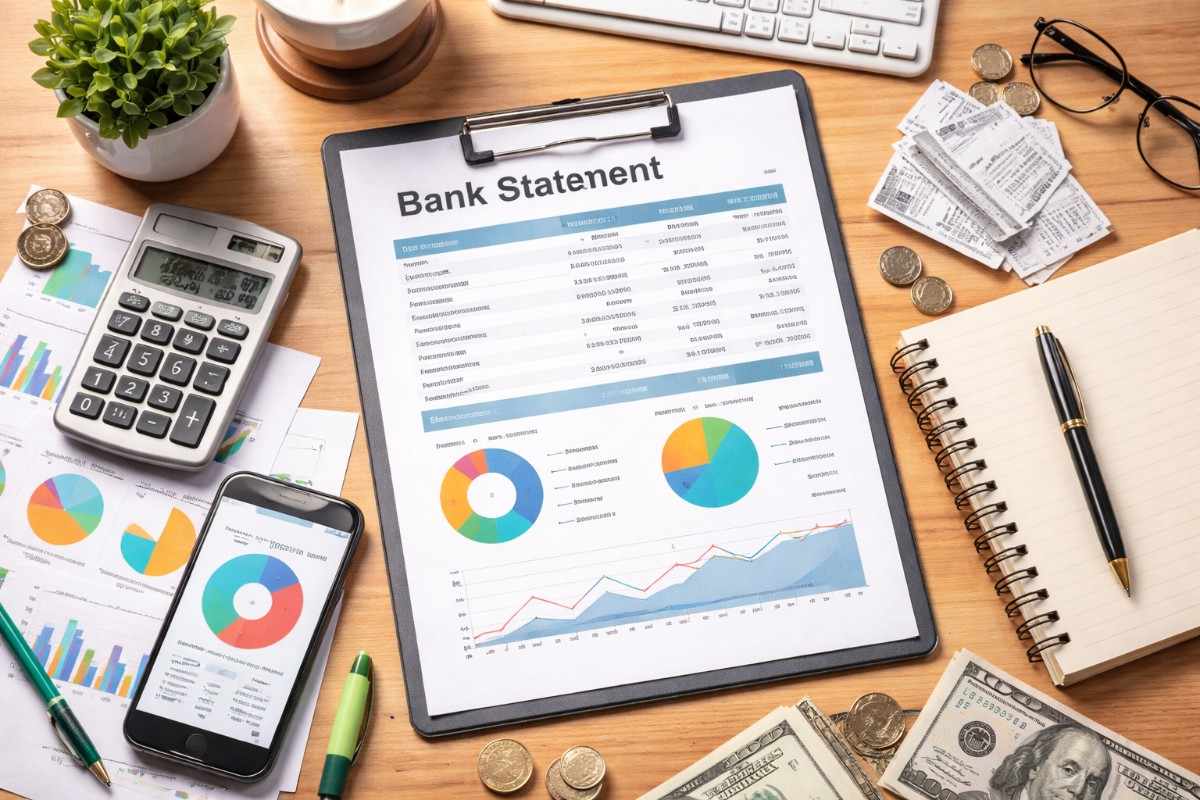
A typical bank statement contains several key sections that work together to present a complete picture of account activity. At the top, you will usually find account details such as the account holder’s name, account number, statement period, and opening and closing balances. Below this, the transaction history lists all credits and debits in chronological order, including salaries, transfers, ATM withdrawals, bill payments, and card purchases. Each entry is tagged with a date, description, and amount, allowing you to trace the source and purpose of every transaction. Another important component is the summary section, which highlights total deposits, total withdrawals, and any fees or interest charged during the statement period. This section helps you quickly understand how money flowed in and out of your account. By becoming familiar with these components, you can read a bank statement confidently and avoid confusion when reviewing complex transaction histories.
Tracking Cash Flow
A bank statement is an effective tool for tracking cash flow, which refers to how money moves in and out of your account over time. By reviewing statements regularly, you can identify income sources, recurring expenses, and spending habits that may otherwise go unnoticed. This awareness helps you understand whether your income comfortably supports your lifestyle or if adjustments are needed to avoid financial stress. Consistent cash flow tracking also supports better budgeting. When you compare statements across multiple months, patterns begin to emerge, such as rising utility bills, increased discretionary spending, or irregular income cycles. These insights allow you to plan ahead, set realistic savings goals, and maintain a healthier balance between earning, spending, and saving.
Identifying Errors and Fraud
One of the most critical reasons to review a bank statement carefully is to detect errors and fraudulent activity. Mistakes such as duplicate charges, incorrect amounts, or unauthorized fees can occur, and they often go unnoticed when statements are ignored. By checking each transaction against your receipts and payment records, you can quickly spot discrepancies and report them to the bank for correction. Fraud prevention is another major benefit of statement analysis. Unauthorized card transactions, unfamiliar transfers, or unexpected withdrawals are often the first signs of fraud. Early detection through regular statement review increases the likelihood of recovering funds and protecting your account. This habit acts as a financial safety net, ensuring that your money remains secure.
Financial Planning Using Statements
Bank statements play a valuable role in financial planning because they provide reliable, real-world data about your financial behavior. When planning savings, investments, or debt repayment, statements help you assess how much surplus income is realistically available each month. This prevents overestimating your capacity to save or invest and reduces the risk of financial strain. Over time, bank statements also serve as a financial record that supports long-term goals such as applying for loans, managing taxes, or evaluating business performance. By analyzing past statements, you can measure financial progress, refine money management strategies, and make informed decisions that align with your future financial objectives.