Gold and Silver in 2026
Author: Shashi Prakash Agarwal
Why 2026 Is a Defining Year for Safe-Haven Psychology
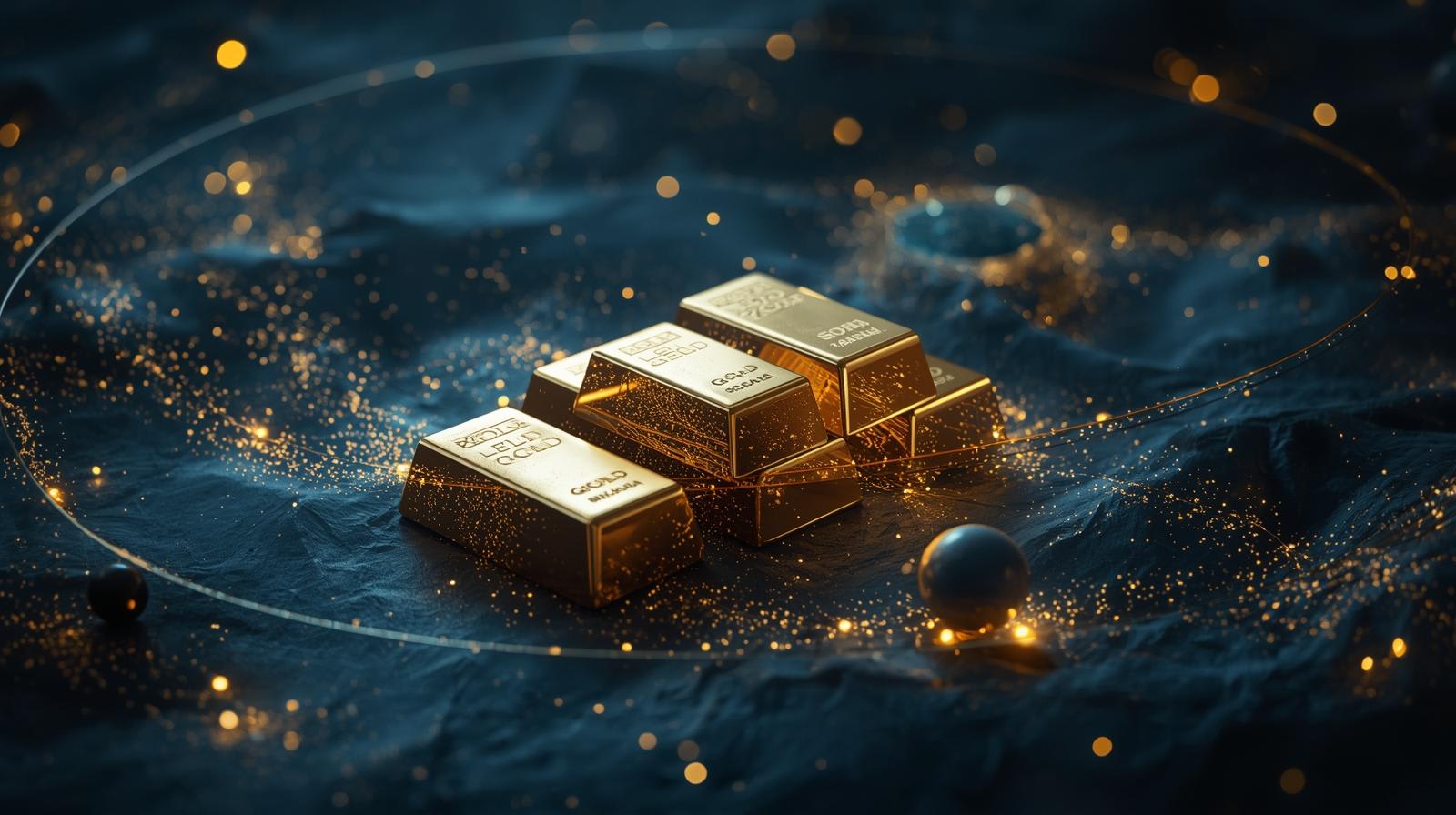
Why These Metals Matter More in a Transition Year Gold and silver occupy a unique place in the investor mindset. They sit at the emotional edge of the financial system — appearing quiet during stable phases and becoming deeply symbolic during years of transition. When confidence feels stretched or the world moves faster than investors can process, these metals return to the centre of attention almost effortlessly. The year 2026 reflects exactly that kind of environment. Not a crisis year, not an exuberant one, but a year where underlying questions about value, safety and stability rise to the surface. In such moments, gold and silver are not treated as simple commodities. They become emotional stabilisers. They represent something that feels older, sturdier, and more permanent than the systems built above them. Why Gold and Silver Feel Different During Transition Years Gold and silver attract attention whenever investors feel caught between fast-changing narratives and slow-moving realities. New technologies, shifting alliances, evolving monetary systems, and debates around long-term economic structure all create a sense of uncertainty. In that uncertainty, the metals serve as psychological anchors — a form of value that does not depend on policy decisions or digital frameworks. In 2026, the backdrop amplifies this emotional appeal. Questions around debt, currency stability, institutional trust, and global realignment naturally heighten the relevance of assets that represent continuity. Investors turn to gold and silver not because of a specific price expectation, but because these metals help them feel grounded when the larger landscape feels unsettled. While the precise market behaviour, timing windows, and structural interpretations are not covered here, they are fully detailed in the Annual Letter 2026, where the deeper themes are analysed in context. The Emotional Shape of Metal Cycles Gold and silver tend to move through phases that reflect shifts in collective mood. There are quiet phases where interest builds slowly, as investors sense underlying tension but remain calm on the surface. There are striking phases where attention rises sharply because broader markets feel uncertain. And there are digestion phases where the initial intensity fades but long-term interest remains. Silver often behaves like the emotional amplifier — more reactive, more expressive, and more sensitive to shifts in perception. Gold, by contrast, acts as the steady anchor — a symbol of preservation and heritage. In 2026, these emotional dynamics are likely to matter more than usual, as investors navigate an environment where old structures and new ideas coexist uneasily. How Gold and Silver Fit Into the Bigger Market Story Gold and silver mirror the emotional tone of the financial world. When the system feels confident, they become background assets. When the system feels stretched, they move back into focus. They respond to the mood of the moment, not through forecasts, but through the role they play in an investor’s sense of security. For US investors, this means that the metals function less as short-term trades and more as psychological balance — a form of protection against uncertainty in a year where both optimism and anxiety coexist. What can be said with clarity is simple: gold and silver hold a naturally strong emotional position in 2026, as investors look for stability during a period of transition. All deeper trends, cycle windows, and portfolio strategies connected to the metals are covered exclusively in the Annual Letter 2026, where the full strategic framework is explained. The Deeper Role of Gold and Silver in a Fast-Changing World As technology accelerates, digital assets expand, and global power structures evolve, gold and silver represent something rare: a sense of continuity. They act as reminders that some forms of value endure regardless of economic design or technological innovation. In a year where investors face questions about trust, systems, and long-term resilience, the metals serve as emotional insurance — not to predict anything, but to stabilise perception. Their true significance in 2026 is not about price. It is about reassurance. And that reassurance becomes meaningful exactly when the world feels like it is rewriting its own rules.