Buy the Dip Strategy: Discipline or Speculation
Author: Shashi Prakash Agarwal
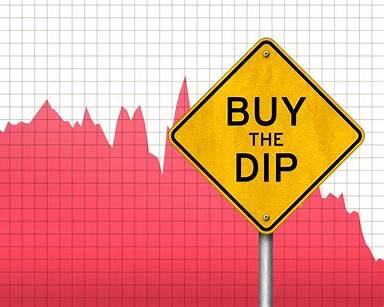
What Does Buy the Dip Mean
The phrase “buy the dip” refers to an investment approach where investors purchase assets after a temporary price decline, expecting a rebound. This strategy is rooted in the belief that markets tend to recover over time and that short-term corrections often present attractive entry points. In equity markets, dips may occur due to earnings disappointments, macroeconomic fears, geopolitical events, or sudden shifts in sentiment rather than a permanent deterioration in a company’s fundamentals. For disciplined investors, buying the dip is not about reacting emotionally to falling prices but about evaluating whether the underlying value of an asset remains intact. A well-researched dip-buying decision considers balance sheets, cash flows, sector strength, and broader market trends. When the fundamentals stay strong, a temporary decline can offer a favorable risk-to-reward opportunity and improve long-term return potential.
When the Strategy Works
The buy-the-dip strategy tends to work best in structurally strong markets supported by economic growth, accommodative monetary policy, and healthy corporate earnings. In such environments, corrections often act as pauses rather than trend reversals. Investors who step in during these phases can benefit as confidence returns and prices move back toward intrinsic value. Historically, broad market indices in long-term uptrends have rewarded patient dip buyers who avoided panic selling. This approach is also effective when applied selectively to high-quality companies with durable competitive advantages. Stocks with consistent profitability, strong market positions, and predictable demand often recover faster from sell-offs. In these cases, dips provide opportunities to accumulate positions at better valuations without chasing prices at market peaks.
Risk of Catching Falling Knives
Despite its appeal, buying the dip carries the risk of “catching a falling knife,” where prices continue to decline after purchase. Not every dip is temporary; some signal deeper structural issues such as weakening demand, excessive debt, regulatory pressure, or disruptive competition. Investors who ignore these warning signs may find themselves averaging into prolonged losses. Risk management is therefore essential. Successful dip buyers typically combine valuation analysis with confirmation from broader market signals. They avoid concentrating too heavily in a single asset and maintain liquidity to manage volatility. Without a clear framework, buying the dip can quickly shift from a disciplined strategy into speculative behavior driven by hope rather than evidence.
Long-Term vs Short-Term Dips
The effectiveness of buying the dip depends heavily on time horizon. Long-term investors often view dips as opportunities to build positions gradually, focusing on compounding returns over years rather than weeks. For them, short-term volatility is less relevant than the asset’s ability to generate sustainable growth and income over time. Short-term traders, however, approach dips with a different mindset. They rely on technical indicators, momentum shifts, and sentiment changes to capture quick rebounds. While this can be profitable, it also carries higher execution risk and requires precise timing. Understanding whether a dip is part of a long-term accumulation strategy or a short-term tactical trade is critical to aligning expectations and managing risk effectively.