Bag Holder in Finance: Psychology Behind Holding Losing Trades
Author: Shashi Prakash Agarwal
What Does Bag Holder Mean
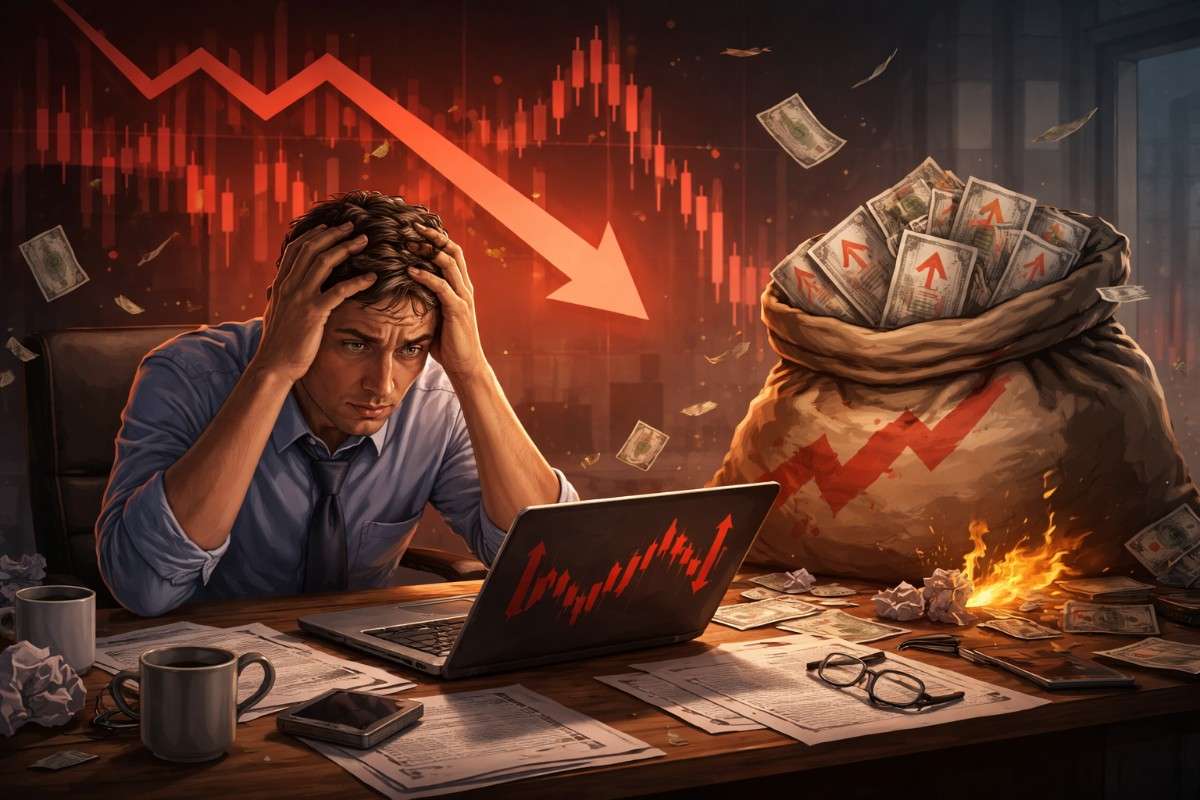
In finance, a bag holder refers to an investor who continues to hold a stock or other asset after its price has fallen sharply, often long after the broader market has exited the position. The term usually applies when early buyers or informed participants have already sold at higher levels, leaving late entrants “holding the bag” as prices decline. Bag holding is common in speculative rallies, meme stocks, overheated IPOs, and assets driven more by sentiment than fundamentals. Once momentum fades, liquidity dries up and prices struggle to recover, trapping investors at unfavorable levels. Being a bag holder is not always the result of poor intelligence or lack of effort. In many cases, investors enter trades with sound reasoning but fail to adjust when conditions change. Markets evolve quickly, and narratives that once justified a position may lose relevance. When investors anchor to their original thesis without reassessing new information, they risk staying invested for emotional reasons rather than rational ones, turning temporary losses into long-term capital erosion.
Behavioral Biases and Loss Aversion
Loss aversion plays a central role in why investors become bag holders. Behavioral finance shows that people feel the pain of losses more intensely than the pleasure of gains. As a result, investors often avoid realizing losses, hoping prices will rebound so they can exit at breakeven. This emotional resistance to booking losses can override objective analysis, even when the probability of recovery is low. Other cognitive biases reinforce this behavior. Confirmation bias leads investors to seek information that supports their original view while ignoring warning signs. The sunk cost fallacy causes them to commit additional capital or time to justify past decisions. Together, these biases create a psychological trap where holding feels safer than accepting a loss, even though the market is signaling that risk has increased and opportunity cost is rising.
Market Cycles and Bag Holders
Bag holders frequently emerge at the late stages of market cycles, particularly during euphoric phases when optimism dominates risk assessment. In bull markets, rising prices can create the illusion that declines are temporary and that every dip is a buying opportunity. When the cycle turns, however, structural shifts such as tightening liquidity, falling earnings expectations, or changing macro conditions can prevent prices from returning to previous highs. During bear markets or prolonged corrections, bag holding becomes more visible. Assets that once benefited from excess liquidity or speculative enthusiasm may underperform for years. Investors who fail to recognize cycle changes often remain attached to outdated narratives, while capital rotates into new sectors or themes. Understanding where the market stands in its broader cycle is essential to avoid becoming trapped in positions that no longer align with prevailing conditions.
Lessons for Risk Managemen
The most effective way to avoid becoming a bag holder is disciplined risk management. Setting predefined exit levels, whether based on price, fundamentals, or time, helps remove emotion from decision-making. Regularly reviewing positions and reassessing the original investment thesis ensures that holdings remain aligned with current market realities rather than past expectations. Diversification and position sizing also play a critical role. When no single position dominates a portfolio, the psychological pressure to “wait it out” decreases. Accepting small, controlled losses is part of long-term investing success, as capital preserved can be redeployed into stronger opportunities. By combining self-awareness of behavioral biases with structured risk controls, investors can reduce the likelihood of holding losing trades indefinitely and improve overall portfolio resilience.