2026 Tech Cycle Forecast
Author: Shashi Prakash Agarwal
A New Phase for the Tech Market
The technology sector enters 2026 with a very different backdrop than the explosive, liquidity-fueled years that defined the early part of the decade. The hype cycles have matured. The easy money era is over. The world has settled into its new technological reality, where artificial intelligence is no longer an experiment, semiconductors are the backbone of national strategy, and cloud computing is transitioning from a growth sprint to a scale-and-monetise phase. The question for investors is simple but crucial. Where does the next big move come from. Which corners of tech still have structural upside. And, just as important, when do these cycles turn. A forecast that tries to time the 2026 tech cycle needs more than earnings estimates and valuation multiples. It needs an understanding of long-term adoption curves, supply-demand imbalances, capital expenditure waves, and the emotional rhythm of the market. Tech does not move gradually. It moves in bursts. It consolidates, it explodes, it cools, and then it re-accelerates. 2026 appears to be one of those years where the sector is preparing for another turning point.
AI: Entering Its First Real Accountability Phase
Artificial intelligence has moved beyond the novelty stage. The market is no longer rewarding every company that mentions AI in an earnings call. 2026 marks the first real accountability phase for the sector, where investors will differentiate between genuine AI businesses and companies that are simply AI-adjacent. The growth potential remains enormous, but the tone of the market is shifting. In 2023–2025, the narrative alone was enough to justify dramatic moves in AI stocks. By 2026, investors want to see revenue models, defensible data systems, hardware-software integration, and real customer adoption. This shift does not mean AI growth is slowing. It means the market is transitioning from imagination to implementation. The next big move in AI will likely come from companies that can prove efficiency, cost savings, and scalable deployment rather than those promising futuristic visions. If 2023–2025 was the hype runway, 2026 becomes the year the aircraft actually takes off.
Semiconductors: The Real Engine of the 2026 Cycle
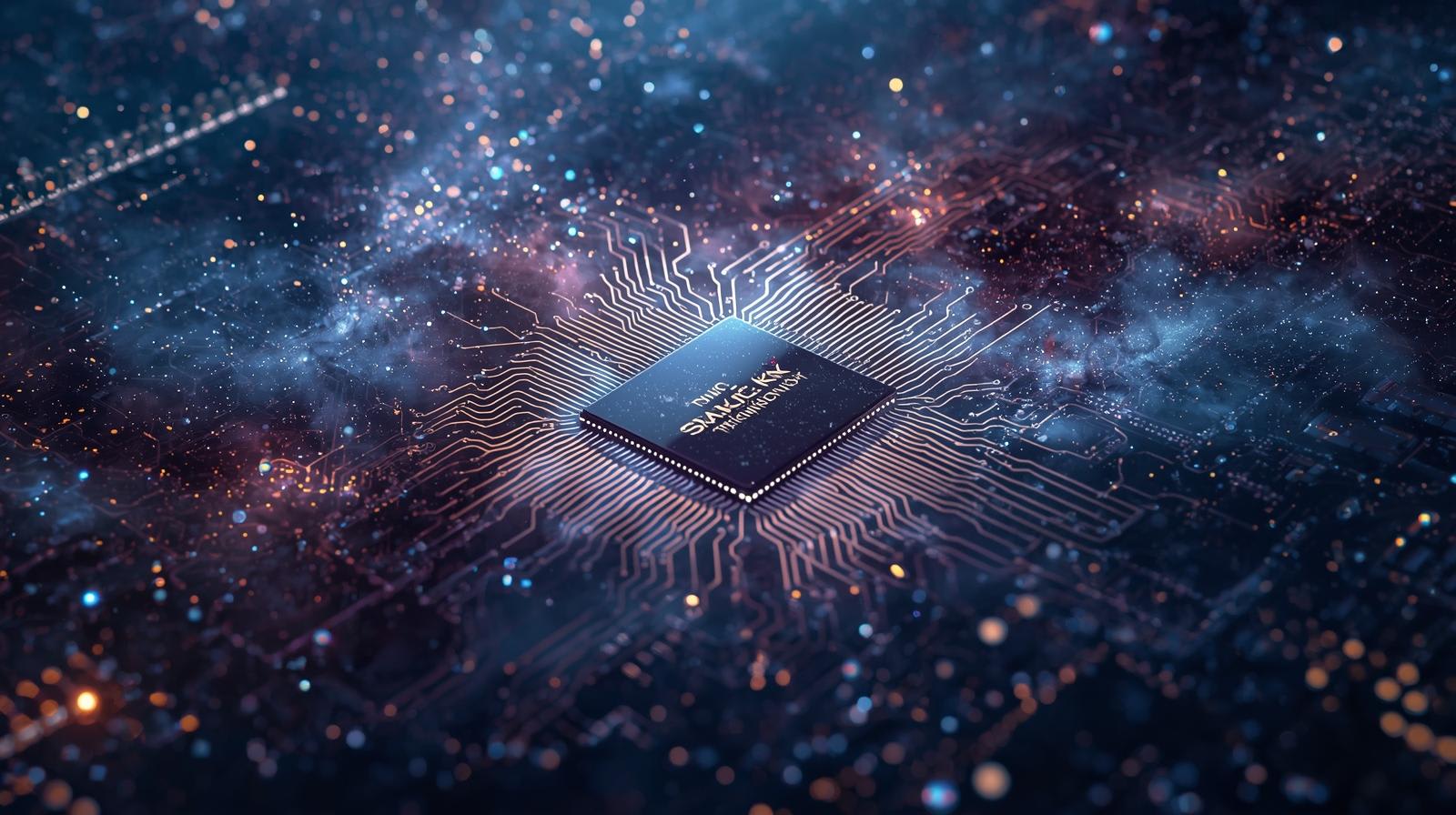
While AI captures the headlines, semiconductors remain the hidden driver of every major technological trend. Chips are now treated as both economic necessities and geopolitical assets. The world is entering a prolonged period where demand for compute power, memory, energy-efficient architectures, and custom silicon will outpace supply. By 2026, several major forces converge in the semiconductor cycle. Demand for AI-specific chips accelerates as enterprises shift from pilot projects to production-grade systems. Automotive technology transitions into a more advanced phase requiring sensors, power management, and autonomous-ready compute. Cloud providers intensify their efforts to design in-house chips to reduce cost and increase control. At the same time, global capacity expansion continues, but not fast enough to eliminate bottlenecks entirely. Semiconductor cycles always move in waves, and 2026 appears to be one of the years where the wave is again building upward. This makes timing essential. The sector tends to move ahead of fundamentals because investors anticipate demand before it shows up in earnings. The market often rallies during the late stages of downturns and consolidates during uptrends. In other words, the semiconductor supercycle is emotional as much as economic.
Cloud Stocks: From Growth Story to Profit Story
Cloud computing has reached a level of maturity where growth numbers alone are no longer enough to drive valuations. The world has already moved its workloads online. What comes next is optimisation, consolidation, and monetisation. Cloud providers now compete on cost efficiency, AI integration, cybersecurity, and edge computing capabilities. The market is watching carefully to see which companies can shift from pure expansion to smart profitability. In 2026, the winners will be those that demonstrate discipline rather than those that simply spend aggressively. This shift marks a new psychological era in cloud investing. The theme is no longer about land-grab expansion. It is about extracting more value from the infrastructure that already exists. AI-native cloud workloads, enterprise security upgrades, and edge computing deployments create new revenue avenues. But investors will reward companies that balance this opportunity with financial discipline. For long-term investors, the cloud story is far from over. But the market tone has changed. Quality, not hope, drives the next wave.
Why Timing Matters More in 2026 Than Usual
All three segments — AI, semiconductors, and cloud — are entering inflection points. These are the phases where the market tends to move in sharp bursts rather than slow drifts. Recognising those bursts early can make a dramatic difference in returns. 2026 also carries a unique emotional rhythm. The broader economic cycle is transitioning, interest rates may stabilise but remain elevated, and investors are finally recalibrating expectations after years of liquidity distortion. These macro factors influence tech’s timing more than in previous cycles. When the market expects slowdown or uncertainty, tech stocks often compress temporarily. But when visibility improves even slightly, they expand rapidly because long-term narratives dominate short-term doubt. This creates a pattern where tech stocks spend long periods consolidating quietly, followed by sudden and decisive upward moves when fundamentals, sentiment, and capital flows align.
The Human Side of the 2026 Tech Market
What makes technology investing so emotional is the belief that every cycle represents the future. AI represents imagination. Semiconductors represent power and strategy. Cloud represents the digital backbone of modern life. These themes tap into human psychology more deeply than other sectors. In 2026, investors will need to balance excitement with realism. They must recognise when a sector is overheated and when it is undervalued simply because the market is temporarily distracted. They must understand that timing is not about predicting exact days but about recognising phases — accumulation phases, consolidation phases, and acceleration phases. A successful 2026 strategy requires patience during quiet stretches and confidence during volatility. The biggest tech moves rarely happen when investors feel safe. They happen right after discomfort peaks. The Bottom Line The 2026 tech cycle will not be defined by one theme but by the intersection of three: AI becoming real business, not just narrative. Semiconductors powering every breakthrough from automation to national strategy. Cloud companies shifting from growth engines to profitability machines. Together, they create a year that feels transitional yet full of potential. The big moves will come, but they will come in waves. Investors who understand the rhythm of these cycles — economic, emotional, and technological — will be far better positioned to capture the opportunities that 2026 is quietly preparing.